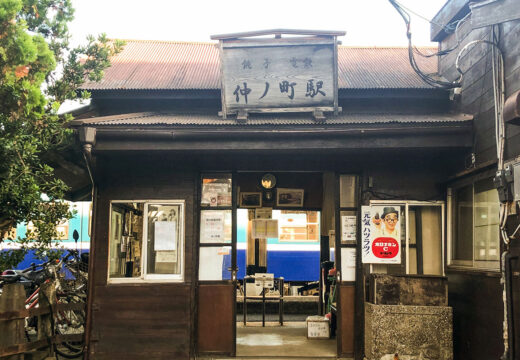
Yamagata City, Yamagata Prefecture, Tohoku Region
Abundant with Beautiful, Quintessentially Japanese Seasonal Vistas
Category: Sightseeing
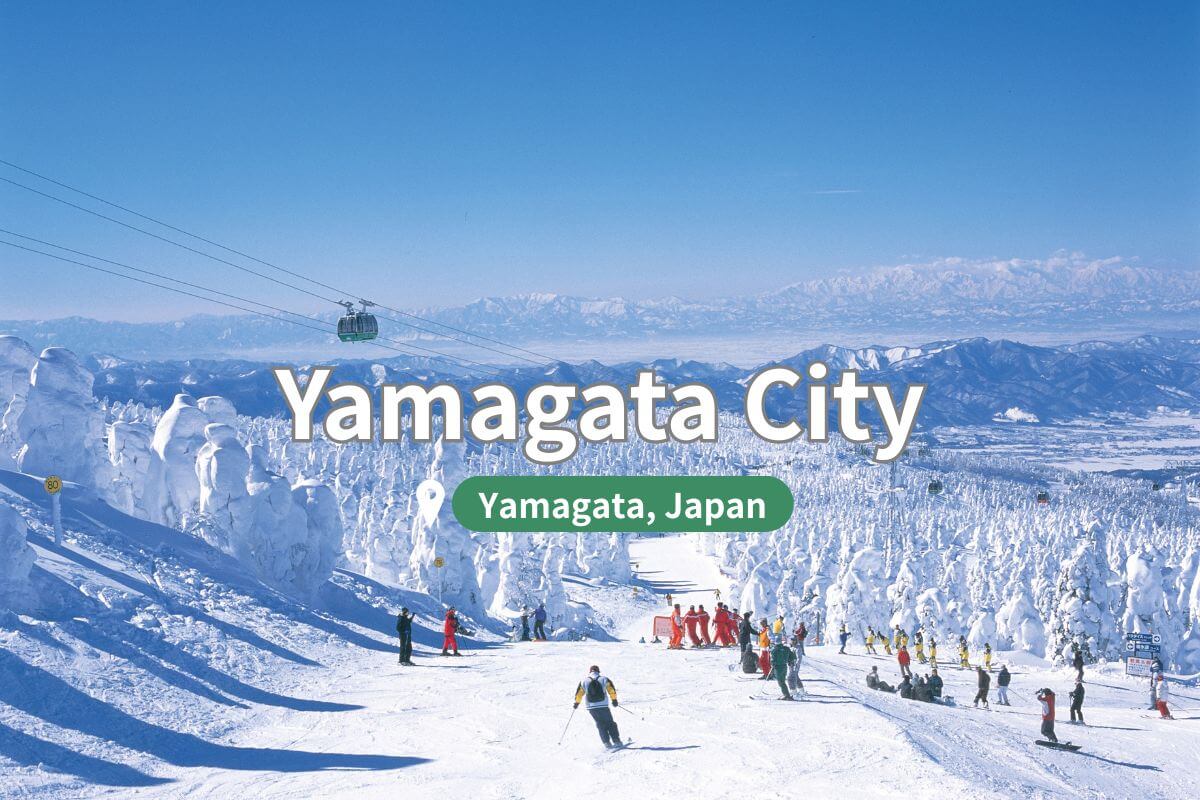
Yamagata City, the largest city in Yamagata Prefecture, located in the Tohoku region. Surrounded by mountains on all sides, it is a land rich in nature with distinct seasonal changes, and a city overflowing with history and culture.
This time, we will explore Yamagata City’s history while introducing recommended sightseeing spots, souvenirs, and gourmet foods.
What is Yamagata City?
Yamagata Prefecture faces the Sea of Japan on the northeastern coast of Honshu, Japan.
Its prefectural capital and largest city is Yamagata City. Located in the southern part of the Yamagata Basin, it is surrounded by mountains: the Ou Mountains to the east and the Shirataka Hills to the southwest.
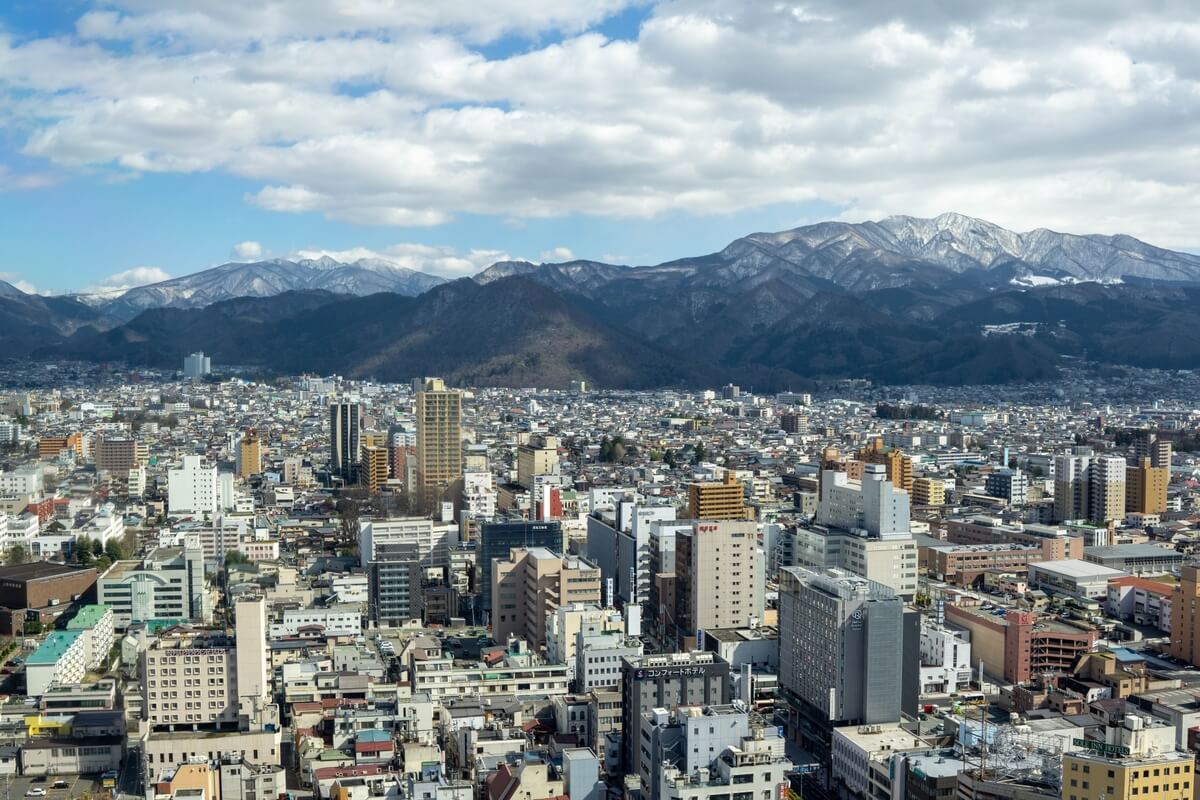
Characterized by a harsh climate, summers are hot and winters are cold. Due to the basin’s significant temperature variations, the changing of the seasons is among the most distinct in Japan.
Spring brings Ume (plum) and sakura (cherry blossoms), summer showcases the mountains’ lush greenery, autumn paints the landscape with vibrant foliage, and winter transforms the area into a snow-covered wonderland. Beyond its breathtaking seasonal views, the city offers year-round enjoyment of quintessentially Japanese scenery, preserving the charm of a castle town.
The History of Yamagata City
The Development of Mountain Worship
In Japan, there has long been a tradition of mountain worship, where reverence and devotion are paid to the gods dwelling in the mountains and to sacred sites renowned for their miraculous powers.
In Yamagata City, surrounded on all sides by mountains, the “Mountain Worship on Dewa Sanzan” has taken root, encompassing Mt. Haguro, Mt. Gassan, and Mt. Yudono, which were opened to worship in 593.
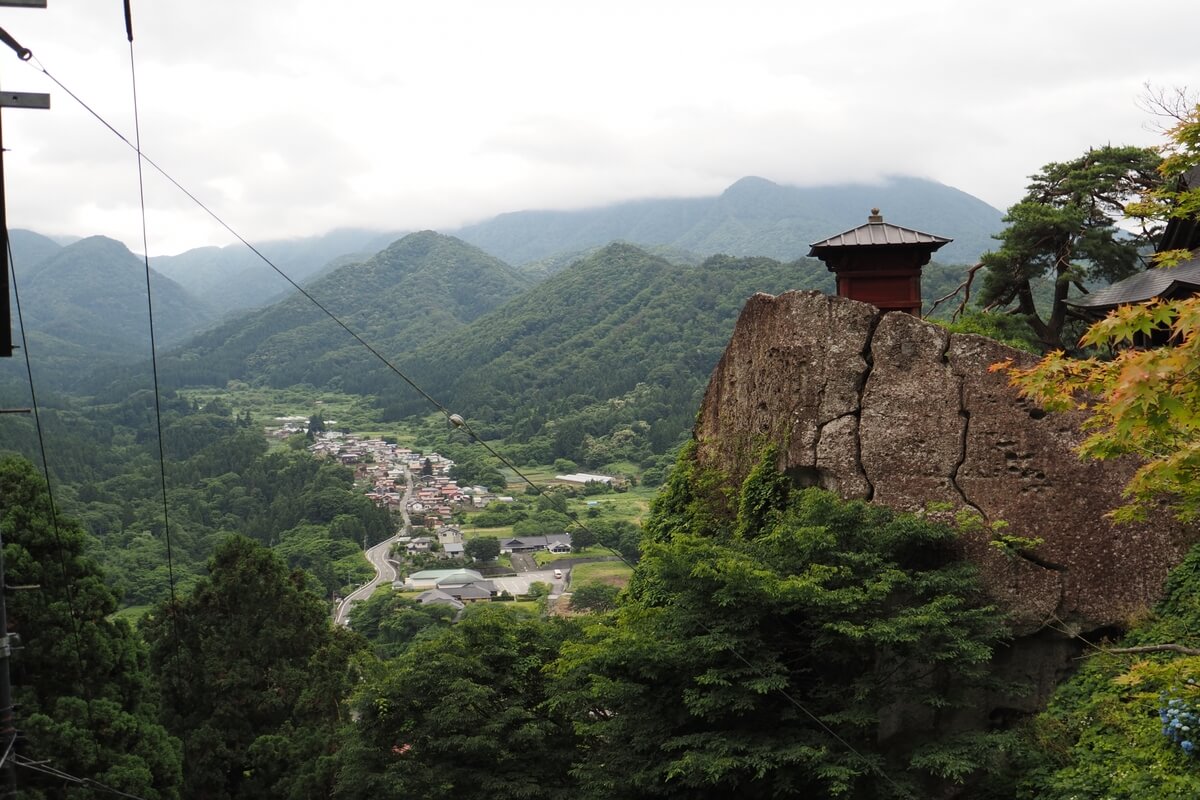
▲The townscape seen from the Yamadera temple
In 860 during the Heian period, Ennin, a disciple of Saichō, founder of the Tendai sect, established Risshaku-ji Temple (commonly known as Yamadera), which flourished as a center of esoteric Buddhism in the Tohoku region.
It is said that Ennin also opened Mount Takiyama, part of the Western Zao range, around the same time, developing it into a major sacred site with as many as 300 temple lodgings (shukubo) for pilgrims.
Thus, in Yamagata City, a spiritual culture alive with reverence for nature and a heart that cherishes all life—a tradition passed down for 1,400 years—continues to thrive.
Mogami Yoshiaki, who laid the foundation for Yamagata
Among the figures who profoundly influenced the formation of Yamagata City is the Sengoku warlord Mogami Yoshiaki.
Descendants of Shiba Kaneyori, who built Yamagata Castle, adopted the name “Mogami clan” and ruled Dewa Province (present-day Yamagata and Akita Prefectures).
Mogami Yoshiaki, the 11th head of the clan, extensively renovated Yamagata Castle, developed the castle town and the Mogami River transportation route, laying the foundation for modern Yamagata.
In 1600, fighting on the Tokugawa side in the Keicho Dewa Campaign—known as the “Battle of Sekigahara in the North”—he defeated Naoe Kanetsugu. As a result, Tokugawa Ieyasu granted him 570,000 koku (land productivity in Japan at the time was measured in koku), making him one of the most powerful daimyo in Tohoku.
His actual holdings were said to be around one million koku, ranking him fifth in the nation in terms of koku holdings, excluding the Tokugawa and Toyotomi clans.
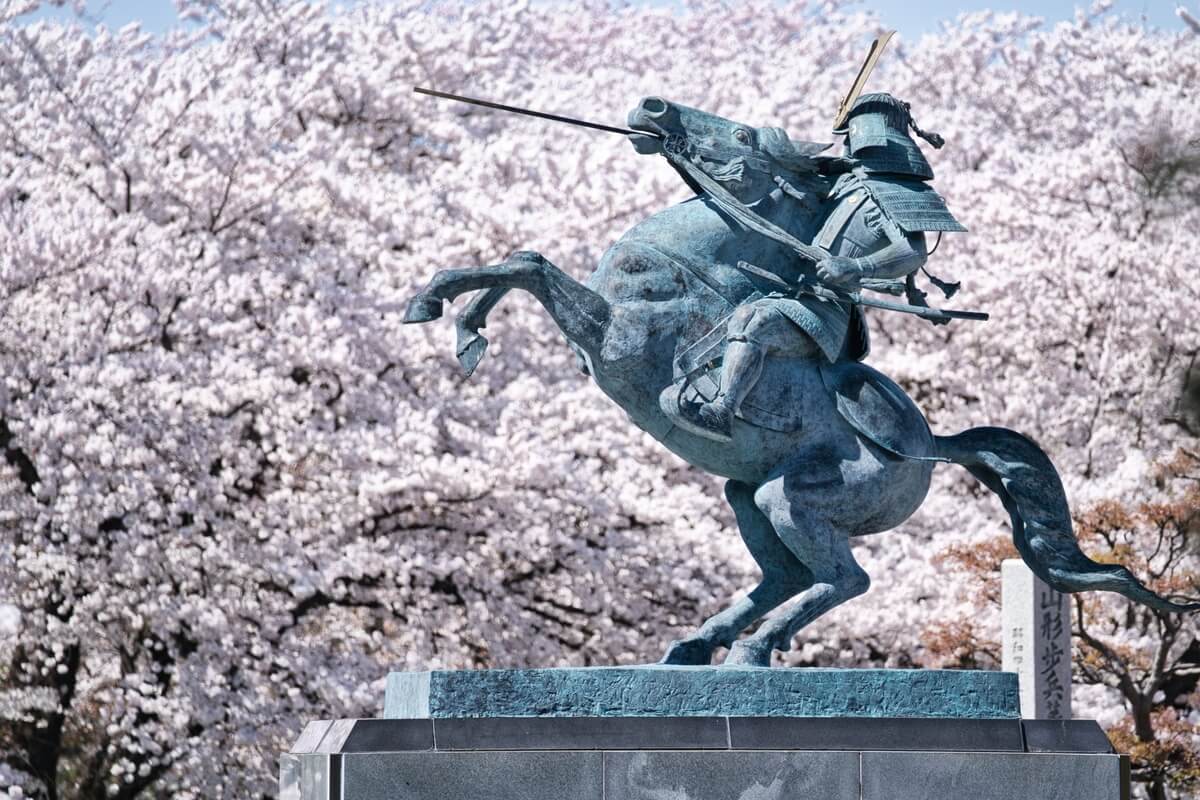
▲Statue of Mogami Yoshiaki in Kajo Park
Mogami Yoshiaki, one of the foremost warlords in the Tohoku region, not only established the city’s infrastructure but also promoted safflower cultivation, branding it as “Mogami Safflower” and bringing prosperity to the castle town.
He also revered Shinto and Buddhist deities, founding, renovating, and protecting numerous temples and shrines. As a man of culture, he composed renga poetry and elegant waka poems, contributing significantly to Yamagata’s economic and cultural development.
These achievements live on today in the form of traditional crafts and safflower culture.
Things to do in Yamagata City
Zao Onsen
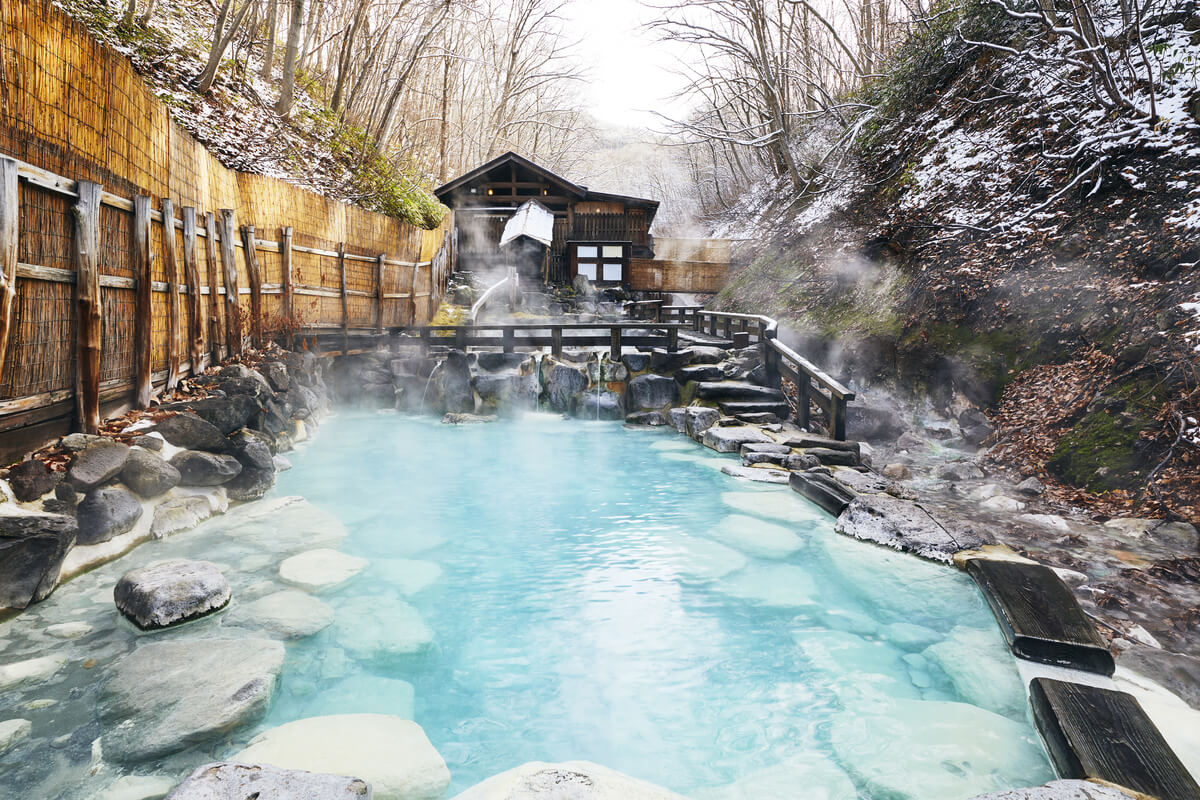
With a history dating back to 1900, Zao Onsen is a historic Onsen (hot spring) resort that has gained popularity both domestically and internationally as a comprehensive mountain resort.
Characterized by its strongly acidic sulfur springs, it is also known as the “beauty Onsen.” The Onsen town features three public bathhouses, three footbaths, and five day-trip onsen facilities, offering enjoyment for both overnight stays and day trips.
It offers abundant activities: the “Zao Ropeway” for enjoying spectacular seasonal views from the air, trekking and hiking in summer, and the “Yamagata Zao Onsen Ski Resort” in winter, boasting one of the largest areas in the Tohoku region. It’s recommended for those wanting to enjoy both hot springs and activities.
▼Zao Onsen Mountain & Snow Resort Official Website
https://zaomountainresort.com/
Zao’s Juhyo/Snow Monster
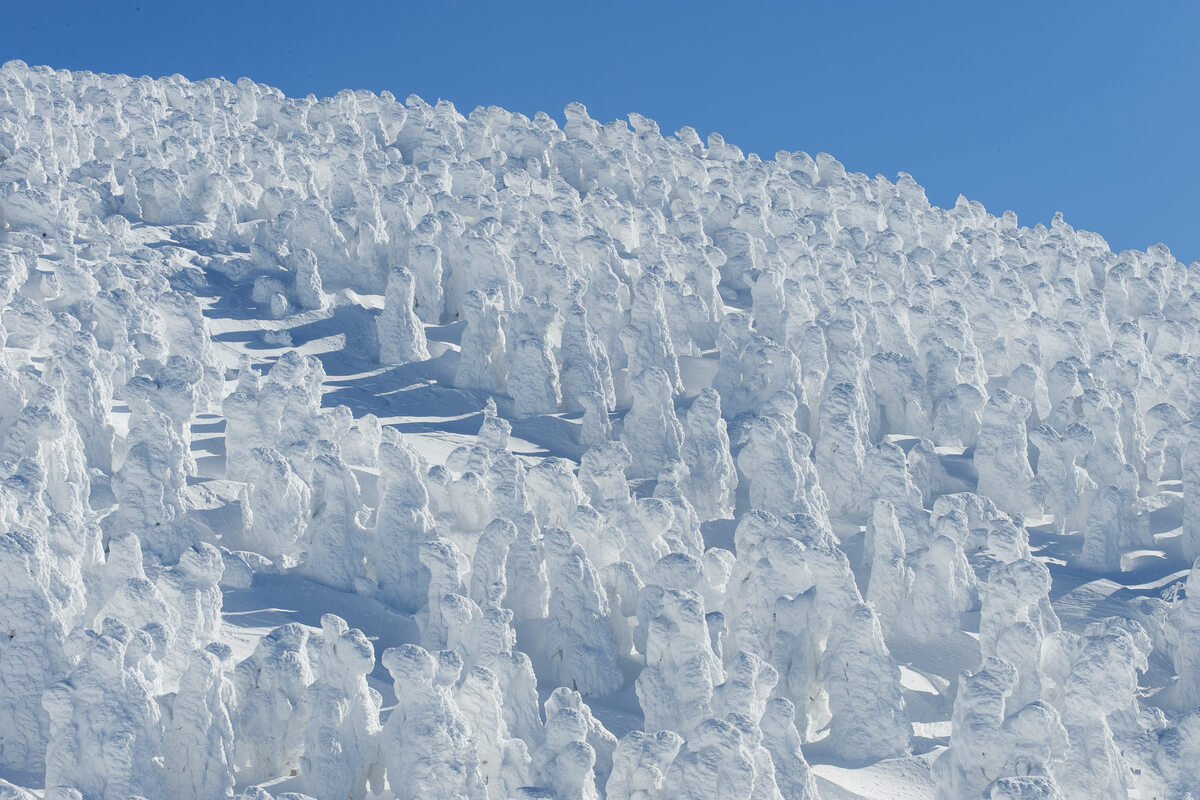
Zao’s Juhyo (Rime Ice): A Winter Scenic Spot to Visit Alongside Zao Onsen. Juhyo (Rime Ice) occurs when supercooled water droplets (tiny droplets that remain liquid even below 0°C) are blown onto trees in sub-zero temperatures and freeze instantly.
At Zao, you can witness spectacular rime ice formations known as “snow monsters,” which grow into massive ice and snow masses. The best viewing period is late January to late February. Accessible by ropeway from Zao Onsen.
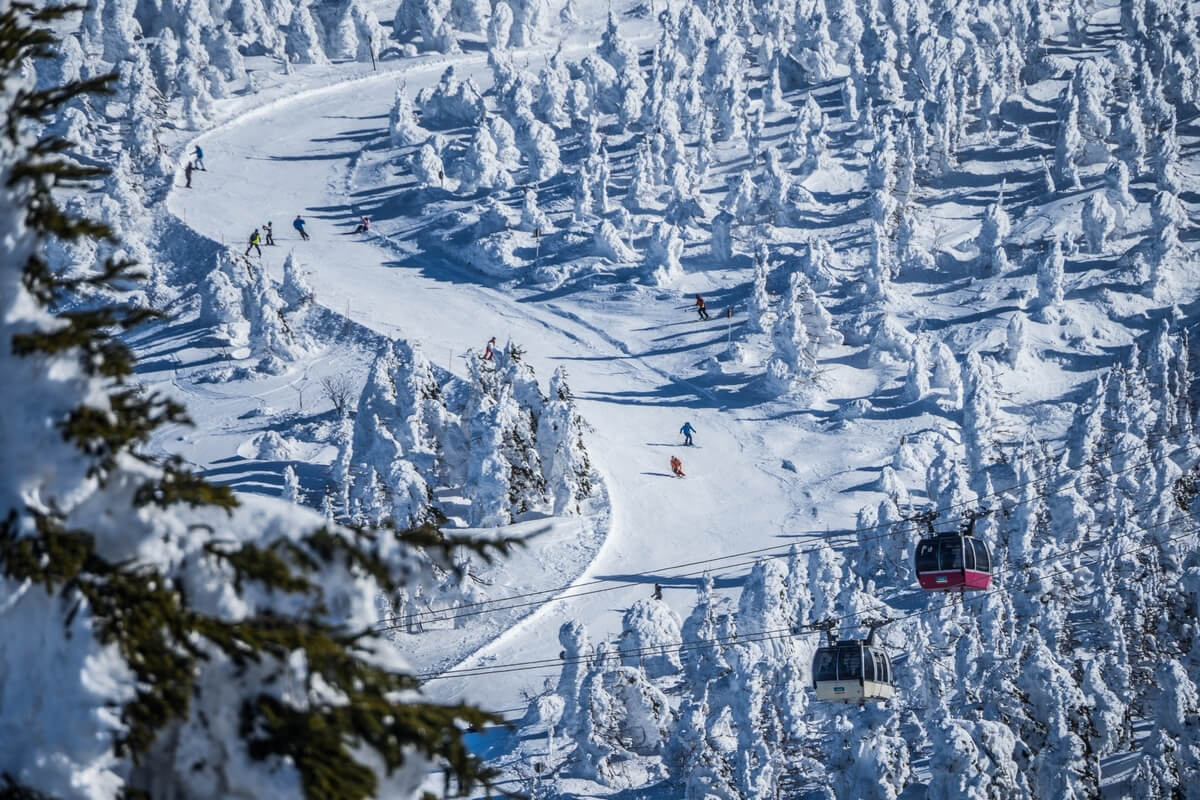
At Zao Onsen Ski Resort, you can enjoy skiing and snowboarding while taking in the breathtaking views of the mystical tree ice formations.
▼Details on Zao’s Juhyo

Yamadera Temple
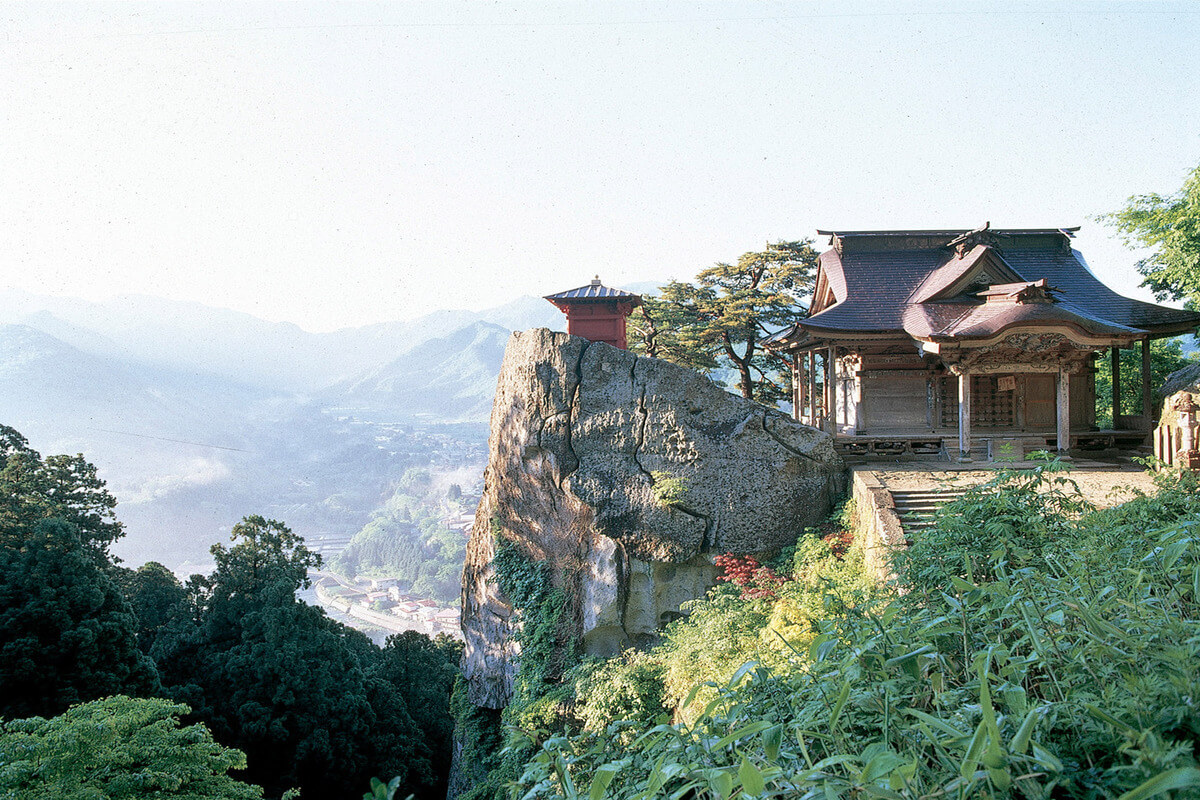
Founded in 860, this historic Tendai sect temple is formally named “Mount Hoju Risshakuji Temple” but commonly known as “Yamadera.”
Its 1,015 stone steps from the mountain gate to the summit are considered a path of spiritual practice, said to “dispel worldly desires with each step climbed.” The highlight is the stage-like Go-dō Hall built on a cliff, offering a spectacular viewpoint overlooking the mountain scenery.
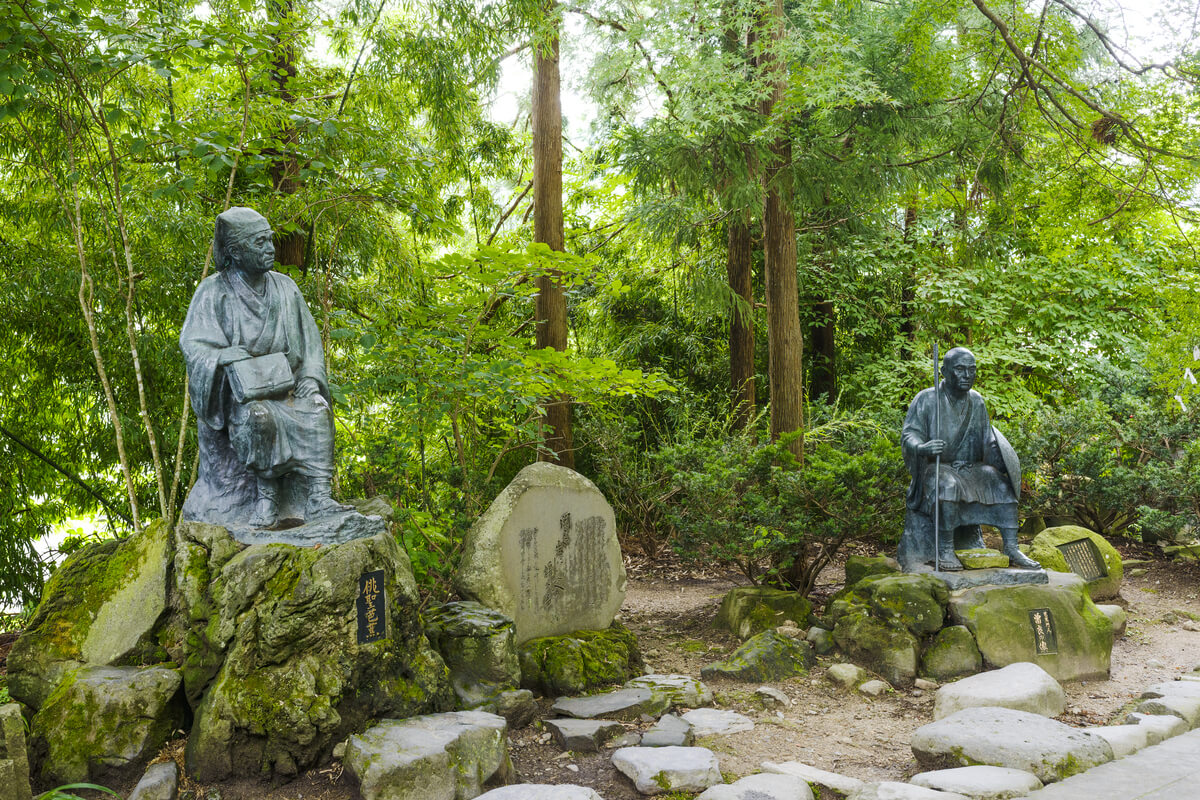
▲Statue of Matsuo Basho visiting Yamadera Temple
During the Edo period (1603-1868), the renowned haikai poet Matsuo Basho traveled through the Tohoku region on his journey chronicled in the travelogue “The Narrow Road to the Deep North,” visiting Yamadera Temple.
The haiku he composed there, “The stillness— / The cries of the cicadas / Sinks into the rocks,” is celebrated as one of Japan’s most famous verses. The stone statue of Bashō and the monument inscribed with his haiku, erected midway up the stone steps leading to Yamadera, are also must-see sights.
▼Mount Hoju Risshakuji Temple Website
https://rissyakuji.jp/
Yamagata Castle Ruins · Kajo Park
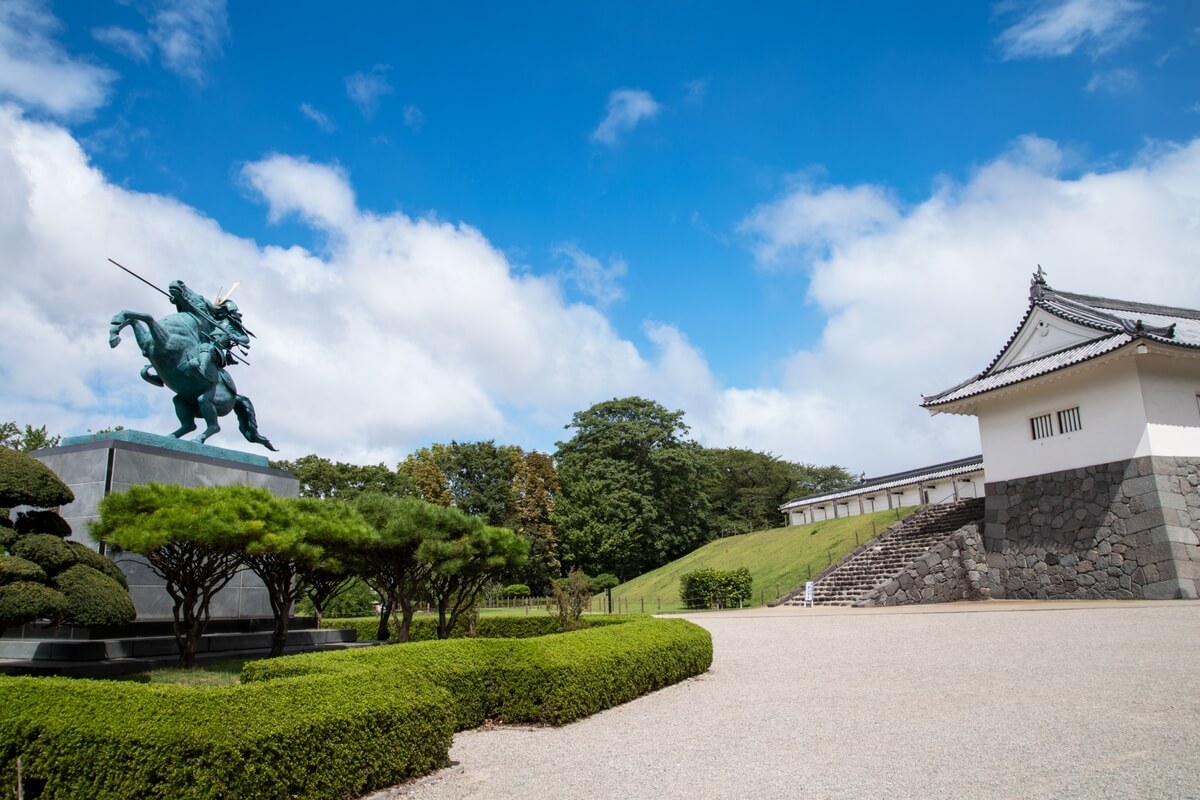
Yamagata Castle, founded by Lord Mogami Yoshiaki, one of the leading warlords of the Sengoku period in Tohoku.
Abandoned after the Meiji Restoration, it was opened to the public as Kajo Park after World War II. A representative spot in Yamagata where you can enjoy history and nature, Kajo Park is also renowned as a famous cherry blossom viewing spot, boasting approximately 1,500 cherry trees in full bloom.
In recent years, restoration work has progressed, and you can now see the recreated forms of the massive castle gates: the Ninomaru East Main Gate and the Honmaru Ichimonji Gate. There’s also a service where you can enjoy VR/AR restoration videos of the Honmaru Palace, and plans are reportedly underway to restore and develop the entire Honmaru area. Witnessing the castle’s gradual restoration is truly romantic, isn’t it? Be sure to keep an eye on future developments.
▼Yamagata Castle Website
https://www.city.yamagata-yamagata.lg.jp/kakuka/machizukuri/koen/sogo/yamagatajo/en/
Recommended Souvenirs in Yamagata City
Yamagata Cast Iron
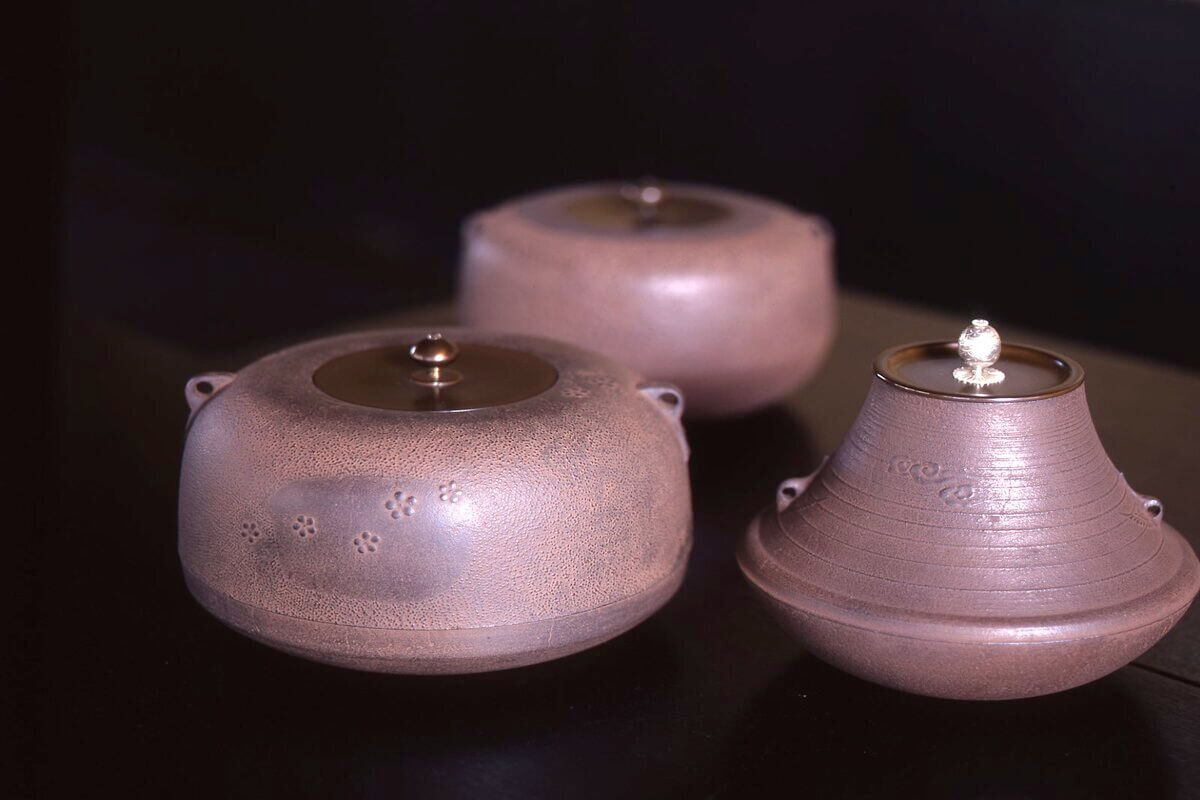
A traditional craft representing Yamagata with a history of approximately 900 years. Its origins are said to date back to the late Heian period (late 11th to late 12th century), when a foundryman serving under the warrior Minamoto no Yoriyoshi discovered that the sand and soil of the Mamigasaki River in Yamagata City were suitable for casting molds and settled there.
During the Edo period (17th to 19th centuries), Mogami Yoshiaki, lord of Yamagata Castle, fostered the development of the casting industry as part of his castle town development efforts. Buddhist altar fittings and daily necessities produced as pilgrimage souvenirs spread throughout the nation. Craftsmen were gathered in a town for cast iron artisans called “Domachi,” forming the foundation of Yamagata cast iron. Dōmachi is considered a pioneer of Japan’s industrial parks and continues as the production center for Yamagata cast iron.
Today, they produce not only traditional tea kettles and iron teapots but also interior goods. Their popularity stems from beautiful, delicate designs with thin walls and a rich, substantial texture.
Yamagata Hariko
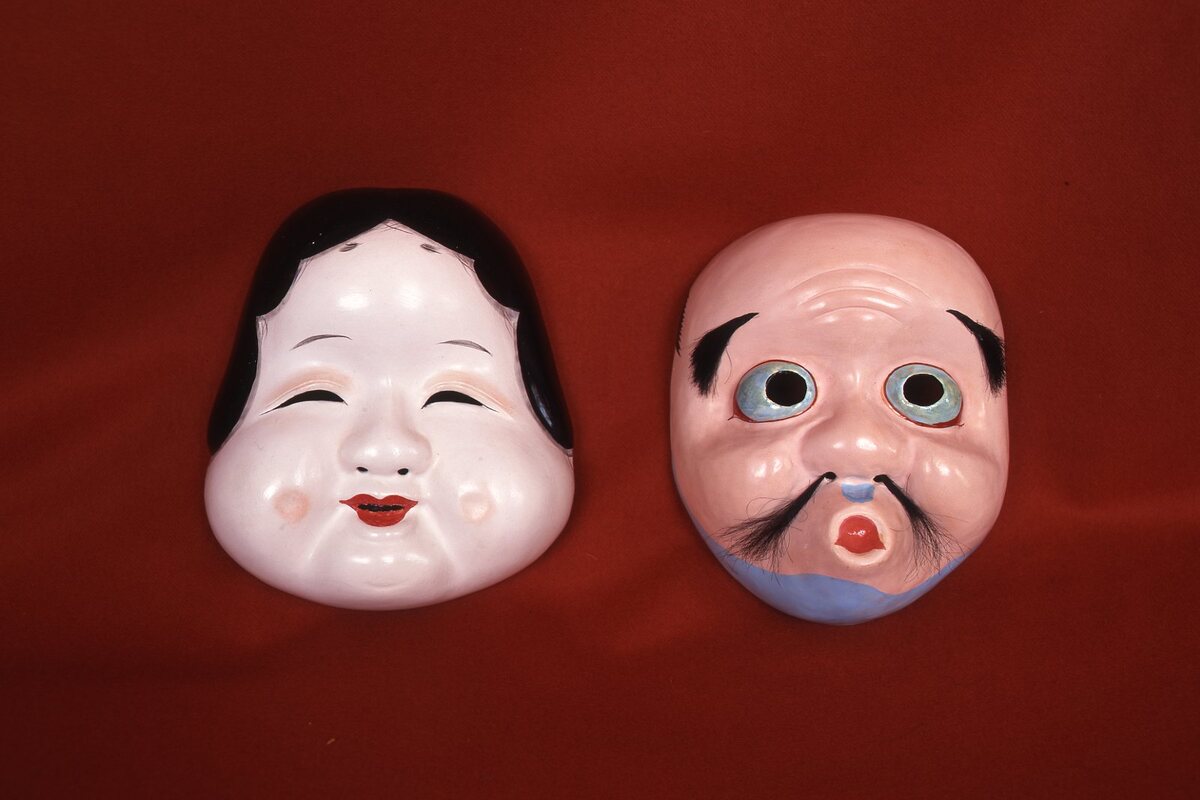
Hariko, a traditional craft found throughout Japan, involves layering Japanese paper over wooden or clay molds, drying it, removing the mold, and then applying paint or coloring.
Yamagata Hariko is characterized by its plump designs and the gentle texture of the Japanese paper, with its charming expressions painted in subdued colors being particularly appealing.
Its origins trace back to the Ansei era (1854–1859), when Shibue Choshiro, a Saga doll maker and Buddhist sculptor from Kyoto, visited the Dewa Sanzan mountains. Learning that the Suzukawa and Sogetsu districts of Yamagata were renowned for washi paper production, he settled in Yamagata City.
With a wide variety available—from charming animal-themed zodiac pieces to masks like “Okame” and “Yurei”—you can choose your favorite to take home.
Kokeshi doll
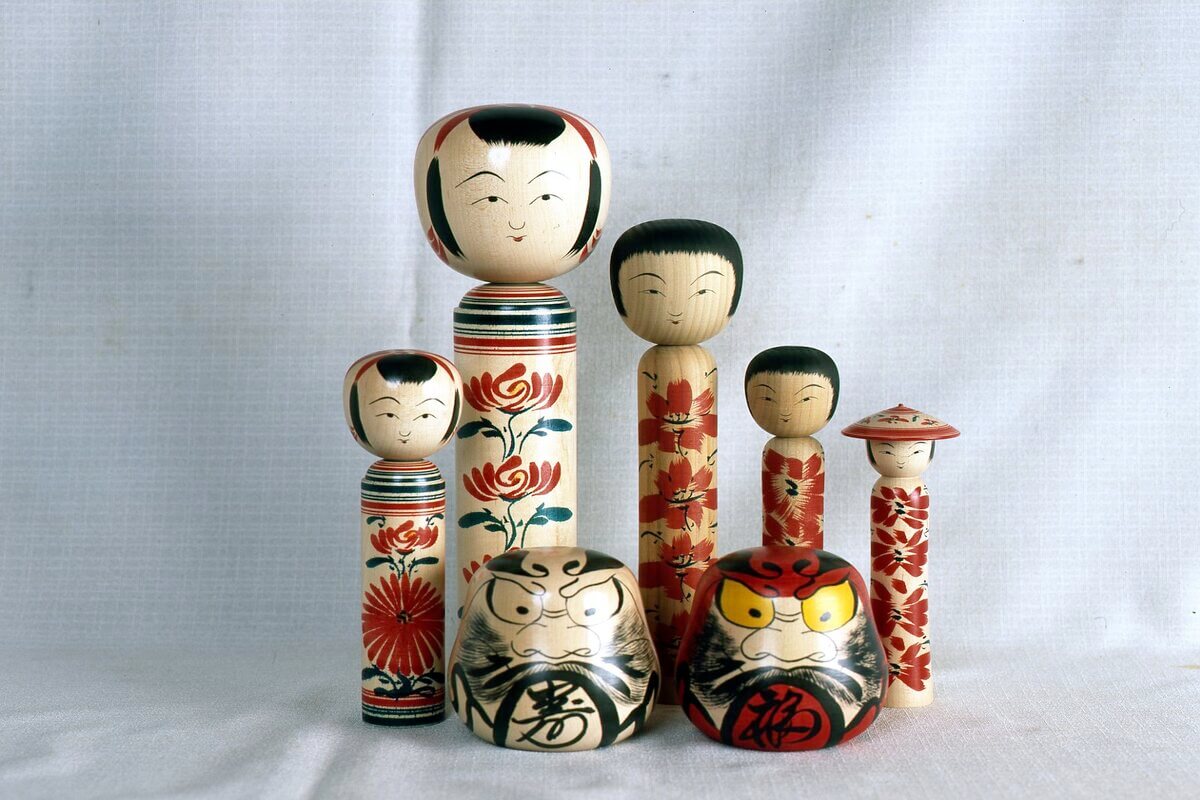
Kokeshi are traditional Japanese wooden dolls originating from onsen (hot spring) resorts in the Tohoku region. It is said there are ten distinct kokeshi styles based on their place of origin, with Yamagata City primarily producing two types: the “Yamagata style” and the “Zao style.”
The “Yamagata style kokeshi” is a rare type made not in hot spring resorts but in the city center, characterized by a slender, stick-like torso designed for easy handling by children.
In contrast, the “Zao-style Kokeshi,” originating from Zao Onsen, feature a thicker, more rounded torso adorned with elaborate patterns.
Not only can you purchase kokeshi as souvenirs in each production area, but you can also participate in kokeshi painting experiences.
Yamagata City’s Local Cuisine
Cherries
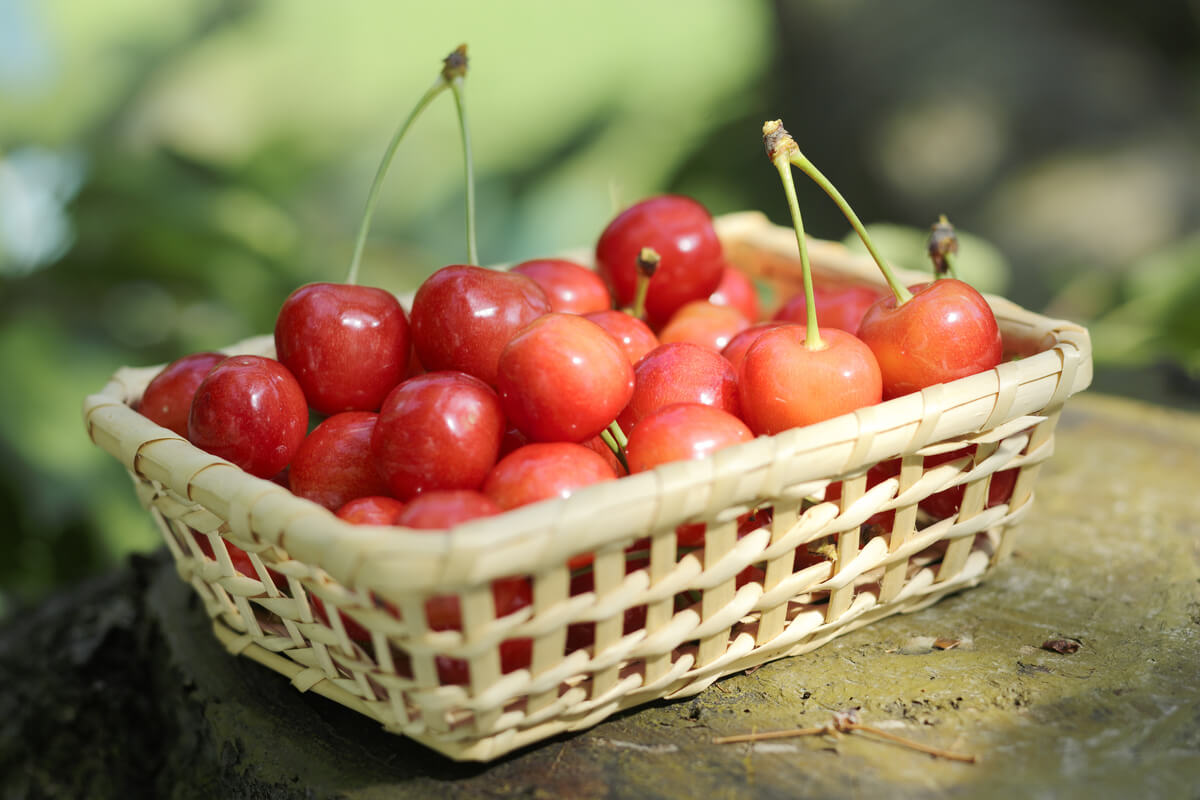
Yamagata Prefecture is known as Japan’s top producer of cherries. Its basin climate, characterized by a short rainy season and low rainfall, is ideal for cherry cultivation, which began here in 1875. Various varieties are grown, including the top-selling Sato Nishiki, Beni Shuho, and Yamagata Beniou. The peak season runs from mid-June to July.
You can purchase them at specialty shops and direct sales outlets in Yamagata City to enjoy fresh, or try them in desserts like parfaits and cakes.
Imoni
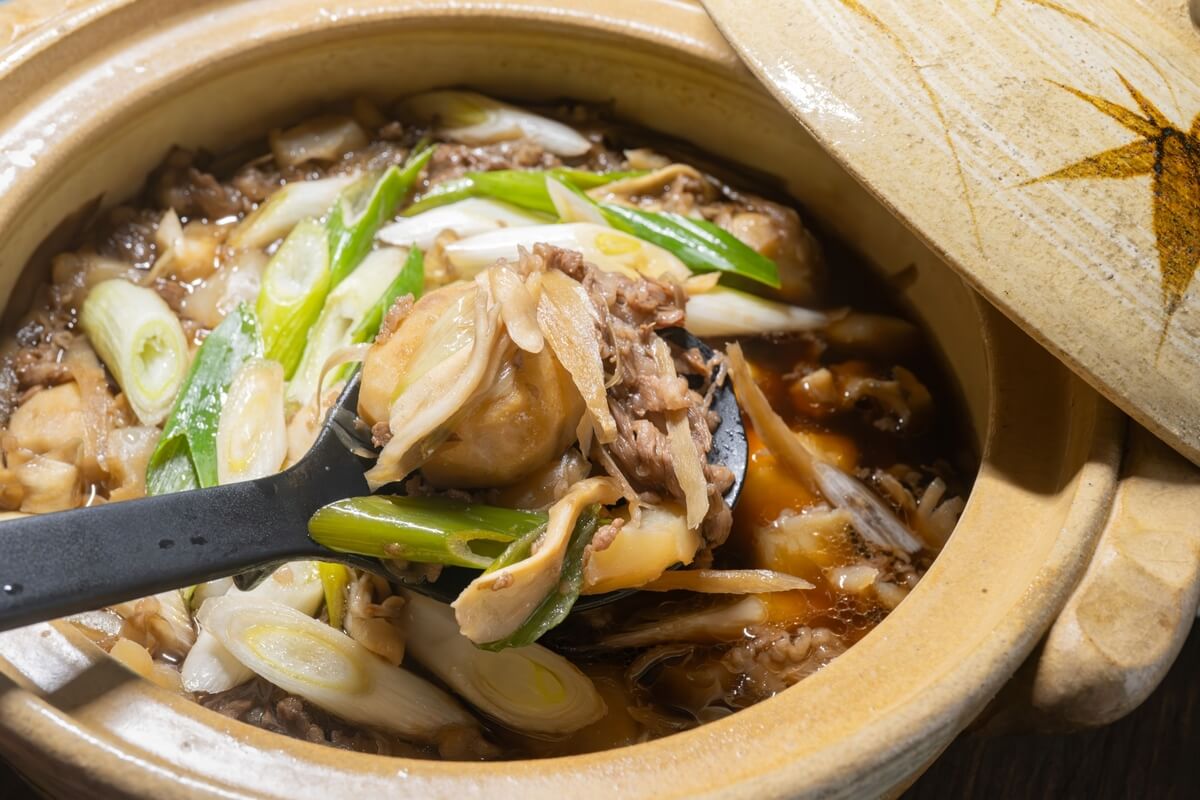
A representative local dish of Yamagata, simmered in soy sauce with taro root, beef, green onions, konjac, and other ingredients. It is said to have originated in the mid-1600s when boatmen, waiting for cargo recipients at the terminus of the Mogami River shipping route, gathered around pots on the riverbank.
Every autumn, you’ll see scenes of families and friends gathering around pots for “Imoni parties” on riverbanks and other open spaces. An interesting feature is how ingredients and seasoning vary by region and household.
Imoni parties are a uniquely Yamagata activity, so be sure to experience one.
Enjoy nature and history in Yamagata City!
Surrounded by mountains on all sides, Yamagata City has long been a place where mountain worship and reverence for nature have taken root. Home to the ruins of one of Japan’s largest castles, it’s a regional city highly recommended for those interested in Japan’s ancient culture and history. Another charm is that no matter what season you visit, you can enjoy the beautiful scenery woven by nature. Winter is especially appealing, allowing you to savor snowy landscapes while enjoying ski resorts and hot springs.
Access from Tokyo takes about 2.5 hours by the Yamagata Shinkansen bullet train or about 1 hour and 5 minutes by plane. Both options offer convenient connections to the city center and major tourist spots.
If you wish to experience quintessential Japanese scenery, history, and culture, we highly recommend visiting Yamagata City.