Soka City, Saitama Prefecture : A Town Where History, Culture, and Craftsmanship Thrive
Category: Regions of Japan Sightseeing
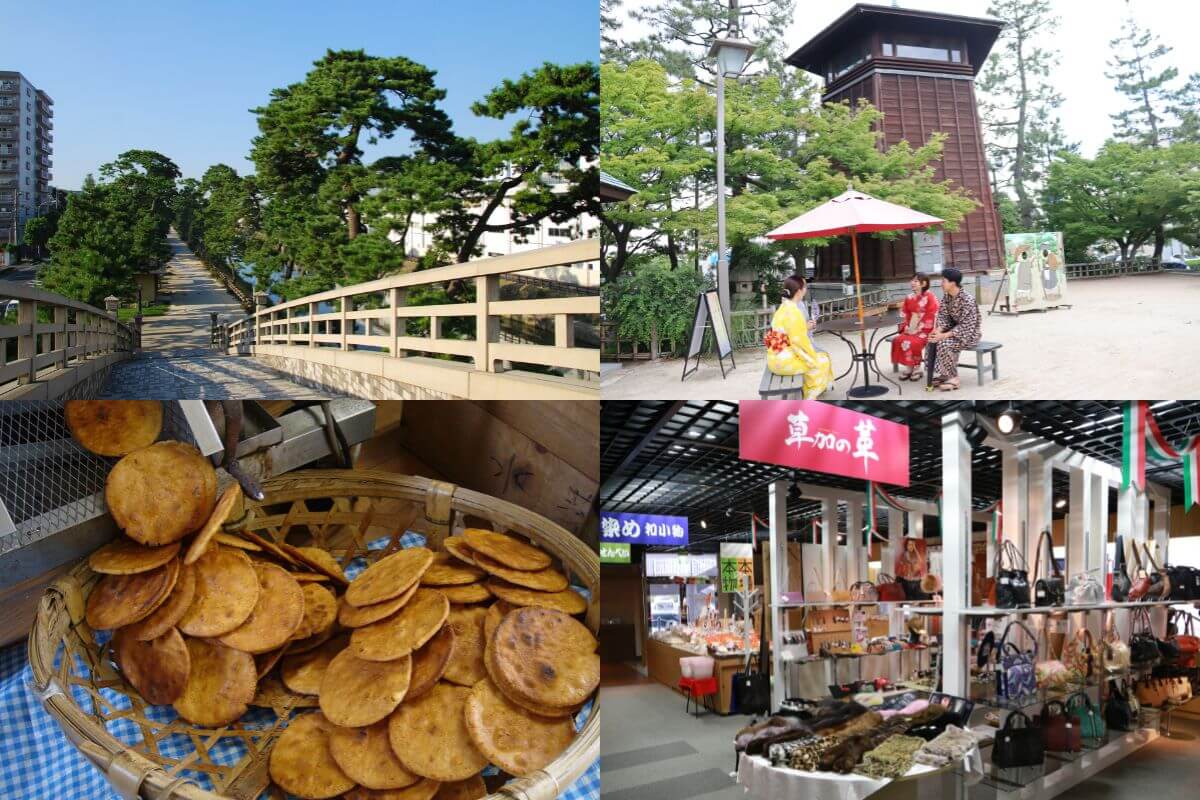
Soka City (草加市) in Saitama Prefecture is well-connected to central Tokyo via the Tobu Skytree Line, which runs north-south through the city. Historically thriving as a post town along the Nikko Kaido Road, it remains a charming place where the culture of craftsmanship lives on, evident in products like Soka Senbei, Soka yukata, and leather goods.
This time, we’ll explore Soka City’s history and culture while introducing recommended sightseeing spots, souvenirs, and gourmet foods.
About Soka City, Saitama Prefecture
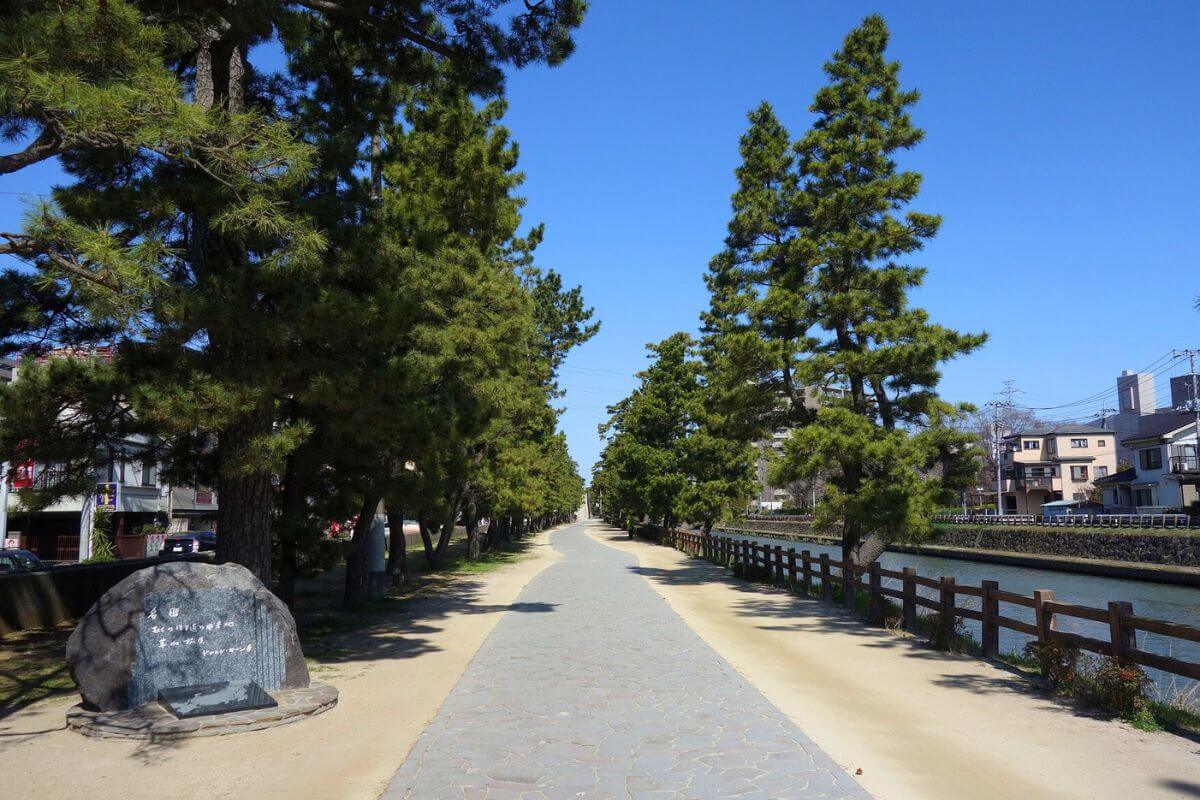
Soka Matsubara‘s pine tree-lined avenue
Located in the southeastern part of Saitama Prefecture, bordering northern Tokyo, Soka City lies adjacent to Tokyo’s Adachi Ward to the south. With excellent access to central Tokyo, it has developed as a residential city within Saitama Prefecture.
Its scenery, blessed with water and greenery, is captivating—featuring the Ayase River flowing through the city and the pine tree-lined avenue of Soka Matsubara lining the historic Nikko Kaido road.
Traditional industries such as Soka Senbei (rice crackers) and leather goods thrive here, establishing the city’s reputation as a hub for craftsmanship.
It has gained attention in recent years as a tourist destination easily accessible from Tokyo, offering visitors a chance to experience Japan’s traditional culture and history.
History of Soka City, Saitama Prefecture
Soka-shuku (草加宿), a post town on the Nikko Kaido Road
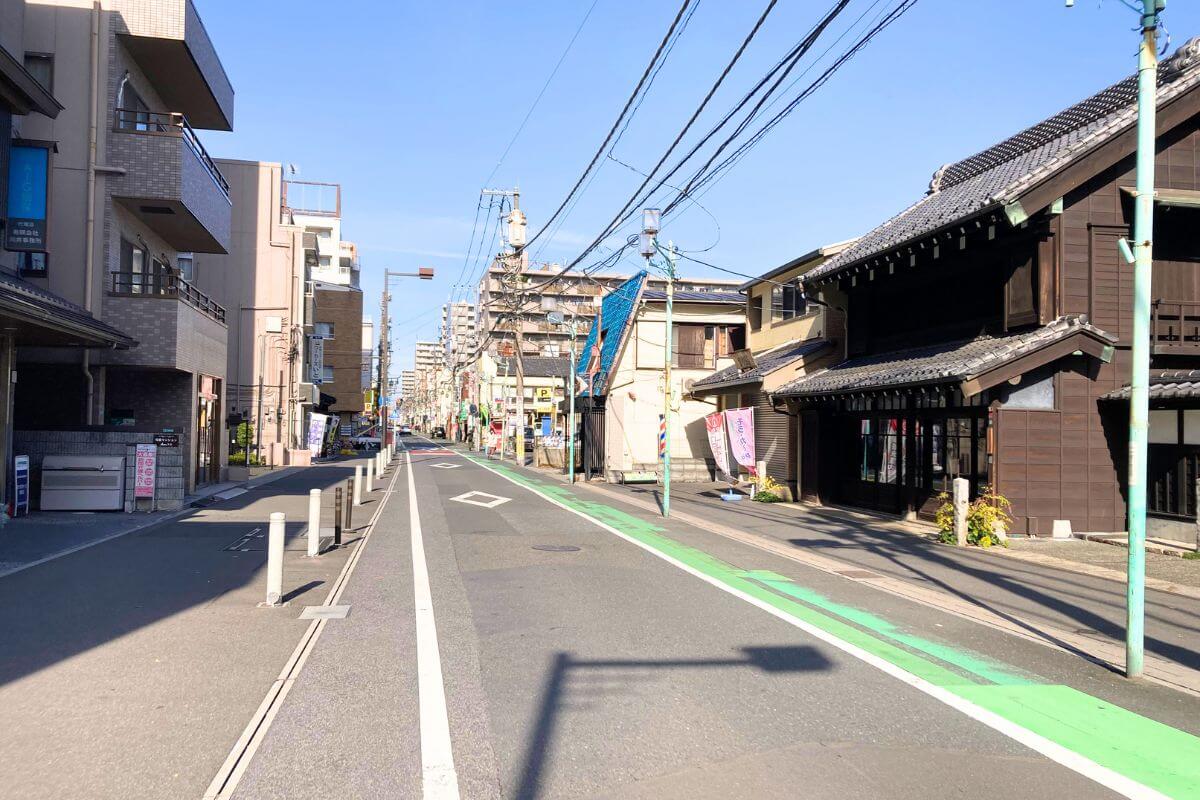
Old Nikko Kaido Road
The history of Soka City flourished significantly during Japan’s culturally prosperous Edo period (1603–1868). Around this time, the Nikko Kaido Road (officially known as the “Nikko Dochu”) was developed, connecting Edo’s Nihonbashi to Nikko Toshogu Shrine (Nikko) over a distance of approximately 140 km. Along this route, “Soka-shuku (草加宿)” emerged as the second post town from Edo.
It served as a bustling hub along the highway, Hatago (providing lodging and meals) and Honjin (lodging for influential samurai, the Daimyo) were established, attracting numerous Daimyo and travelers.
Soka Senbei, a specialty of Soka City, is said to have originated in this Soka-shuku.
Thus, the establishment of Soka-shuku became the catalyst for the significant flourishing of Soka City‘s traditional industries and historical culture.
Places Associated with Matsuo Basho’s “The Narrow Road to the Deep North”
In 1689, the visit of Japanese haiku poet Matsuo Basho to Soka-shuku holds significant importance in the history of Soka City. Matsuo Basho was a renowned poet of the early Edo period, credited with perfecting the art of haiku, a form of poetry consisting of 17 syllables arranged in a 5-7-5 pattern.
In his representative travelogue, “The Narrow Road to the Deep North,” Soka-shuku appears as the first post town he visited. The pine grove along the Ayase River, “Soka Matsubara,” remains today as a charming spot retaining the atmosphere of the era depicted in Matsuo Basho’s “The Narrow Road to the Deep North.”
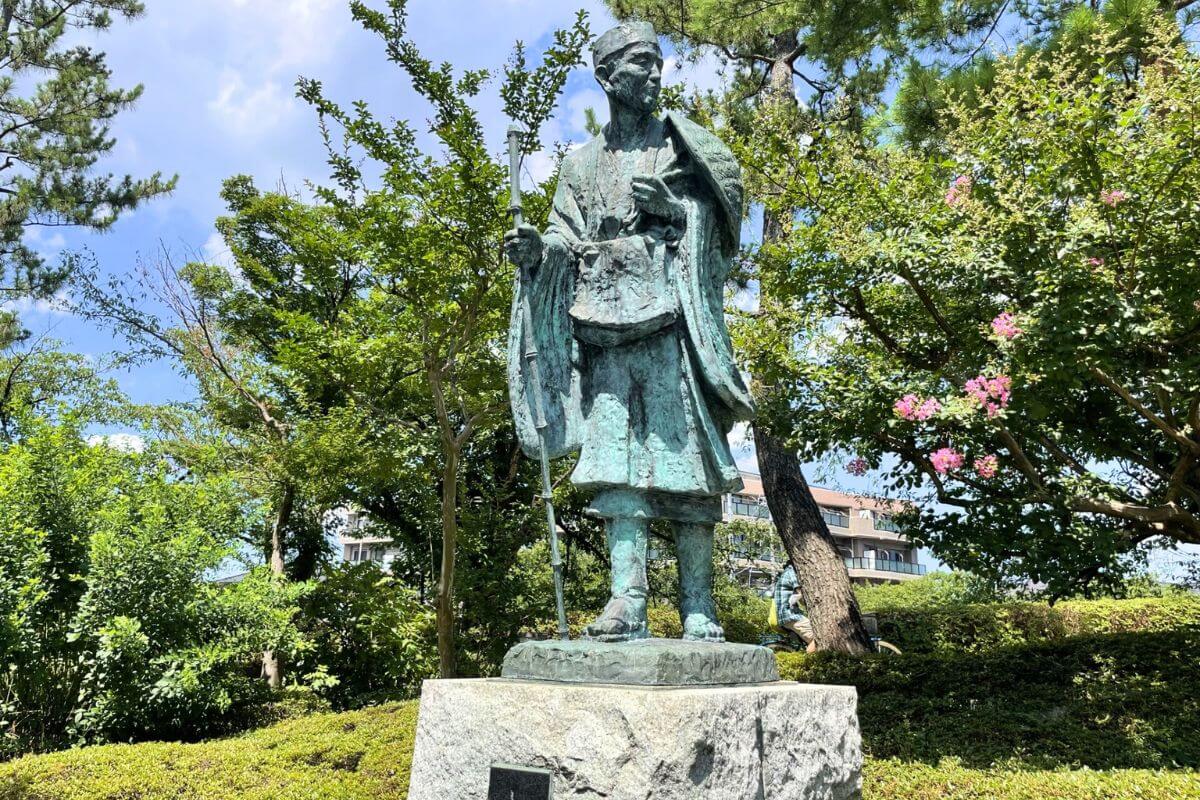
Statue of Matsuo Basho at Fudabakashi Park
Matsuo Basho’s “The Narrow Road to the Deep North” chronicles his journey from Soka through the Tohoku and Hokuriku regions. The haiku he composed about the landscapes and people he encountered during his travels deeply embody the spirit of “wabi-sabi,” a uniquely Japanese aesthetic sensibility. It is a sensibility that accepts the transient nature of things as they are, purifying the heart to focus on each fleeting moment as it unfolds.
Why not visit Soka Matsubara, a place connected to Matsuo Basho, and let your thoughts drift along with the flow of time he felt, gently touching upon Japan’s history and culture?
Things to Do in Soka City, Saitama Prefecture
Nationally Designated Scenic Spot “Soka Matsubara (草加松原): Scenic Area of the Narrow Road to the Deep North”
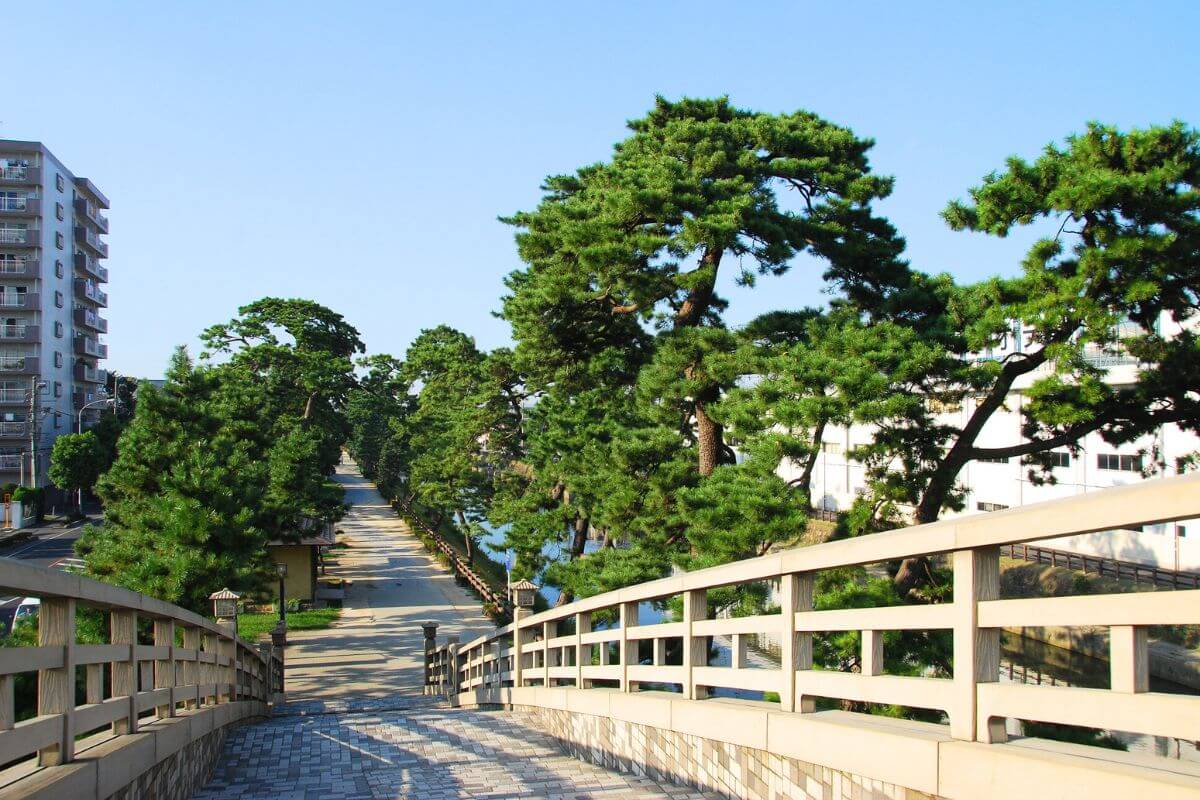
Nationally Designated Scenic Spot “Soka Matsubara: Scenic Area of the Narrow Road to the Deep North”
Soka Matsubara (草加松原), located north of Soka-shuku on the Nikko Kaido Road, is a symbol of Soka City and a nationally designated place of scenic beauty. A row of pine trees stretches for approximately 1.5 kilometers along the Ayase River, still retaining the atmosphere of the Edo period.
It is also known as a place associated with the Japanese haiku poet Matsuo Basho, featuring monuments such as a statue of Matsuo Basho and a literary monument dedicated to him.
Furthermore, it serves as the venue for events like the Soka Matsubara Yume Festival (July) and the Soka Fusasara Festival (November), beloved as a place of relaxation for citizens and attracting many visitors.
Wabune (Traditional Japanese boat) trips on the Ayase River
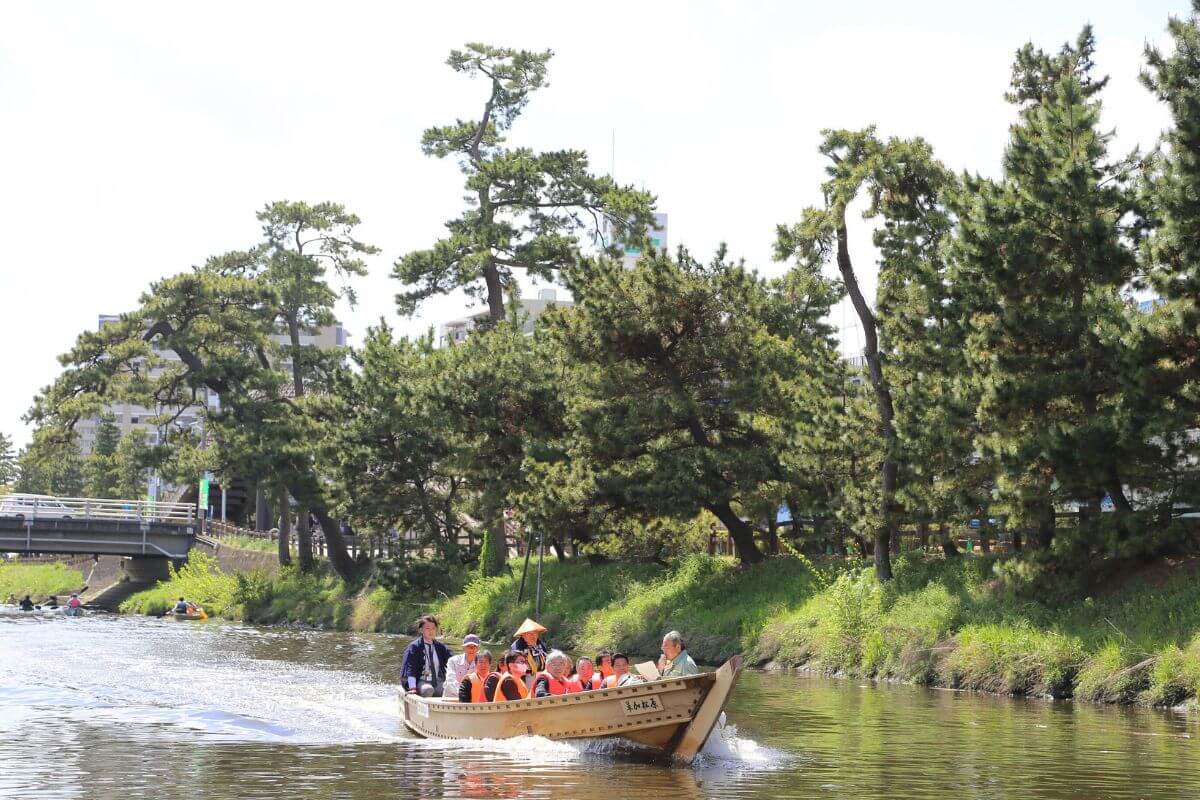
Wabune(Traditional Japanese boat) trips on the Ayase River
The Ayase River flows along Soka Matsubara. This historic waterway once bustled with boat transport carrying goods to and from Edo (Tokyo).
Except for the period from December to February, “Wabune no shukou”, aboard traditional Japanese wooden boats, are held approximately once a month. Enjoy the view of the pine trees lining the river from the water’s surface. It offers a precious experience, as if you’ve slipped back in time to the Edo period. Please check the Soka City website or official SNS for the latest information on the dates.
Zensoan: Hakutai no Kakaku (漸草庵 百代の過客)
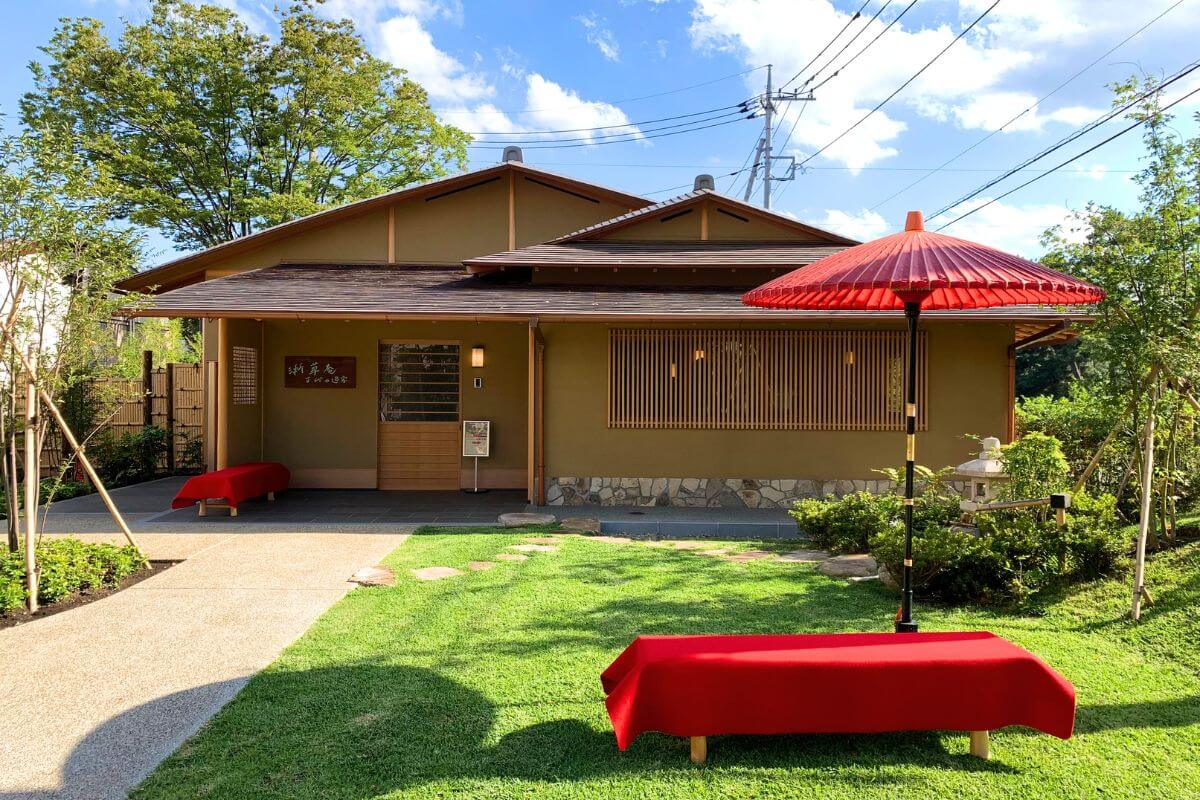
Zensoan: Hakutai no Kakaku
Located within the grounds of the Soka City Cultural Center along the Ayase River, this facility offers an opportunity to experience Japanese culture and arts. It is a single-story wooden sukiya-style building, featuring a tea room and Japanese garden from which visitors can view Soka Matsubara.
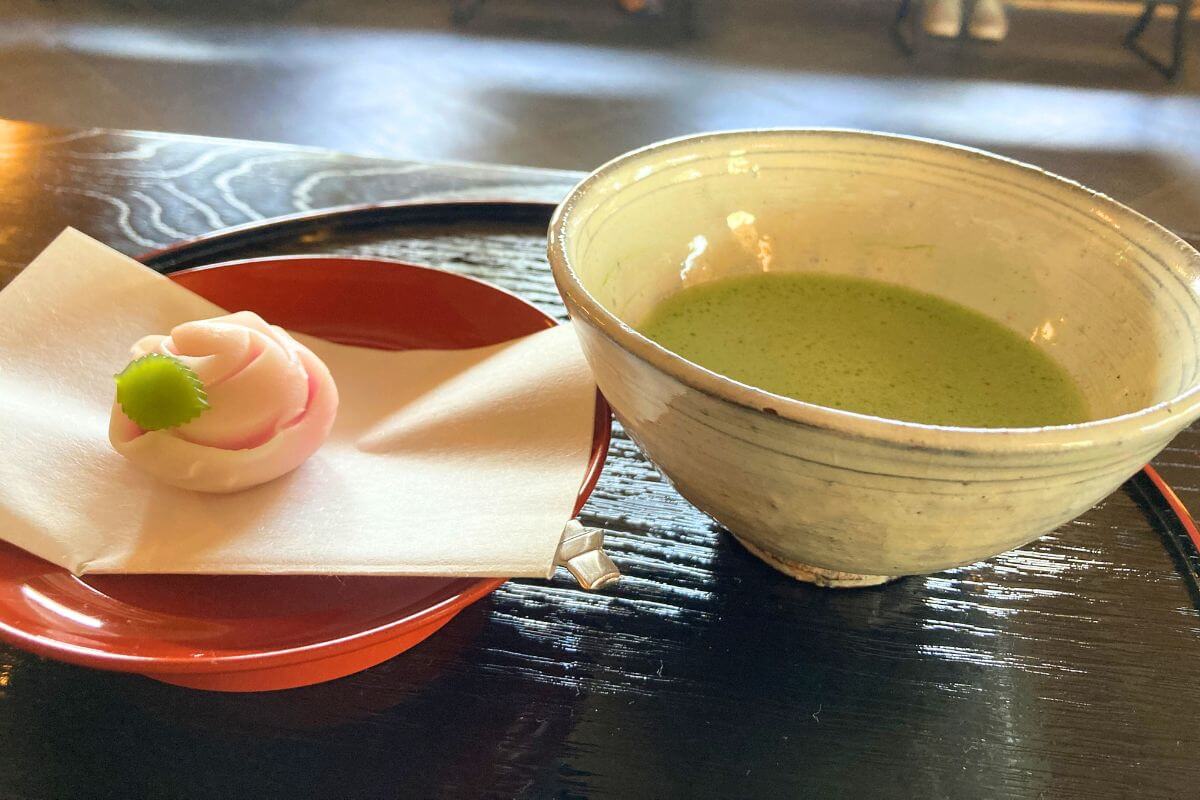
Zensoan: Hakutai no Kakaku, Matcha and Seasonal Japanese Sweets
At the “Oyasumidokoro” rest area, where you can feel the essence of Japan, enjoy Matcha and Seasonal Japanese sweets. It’s recommended as a place to take a break during your travels and engage with Japanese culture.
▼Soka City Cultural Center Official Website
https://soka-bunka.jp/pages/136/
Sakura (Cherry Blossom) Spots
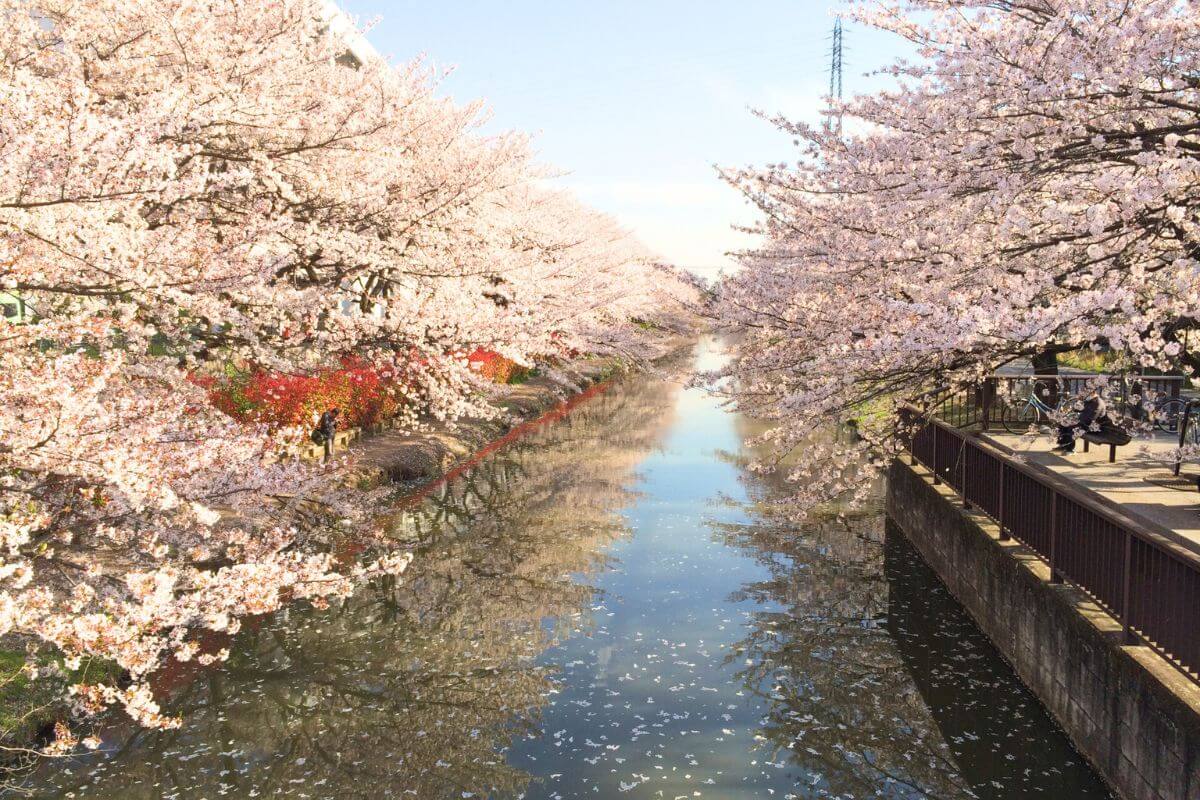
Sakura Spots in Soka City: Kasai Irrigation Canal
When it comes to spring flowers in Japan, Sakura (cherry blossoms) come to mind. In Soka City, the best time to see cherry blossoms is typically from late March to early April.
At Fudabakashi Park and along the Ayase River, you can witness the beautiful collaboration of the pine trees lining Soka Matsubara and the cherry blossoms along the Ayase River.
Additionally, along the Kasai Irrigation Canal flowing through eastern Soka City, there is a stretch featuring approximately 360 cherry trees lining the canal. The “Soka Sakura Festival” is held to coincide with the peak blooming period. Enjoy gourmet food and drinks at the festival stalls; strolling and eating while admiring the cherry blossoms is highly recommended.
Recommended Souvenirs in Soka City, Saitama Prefecture
Soka Senbei
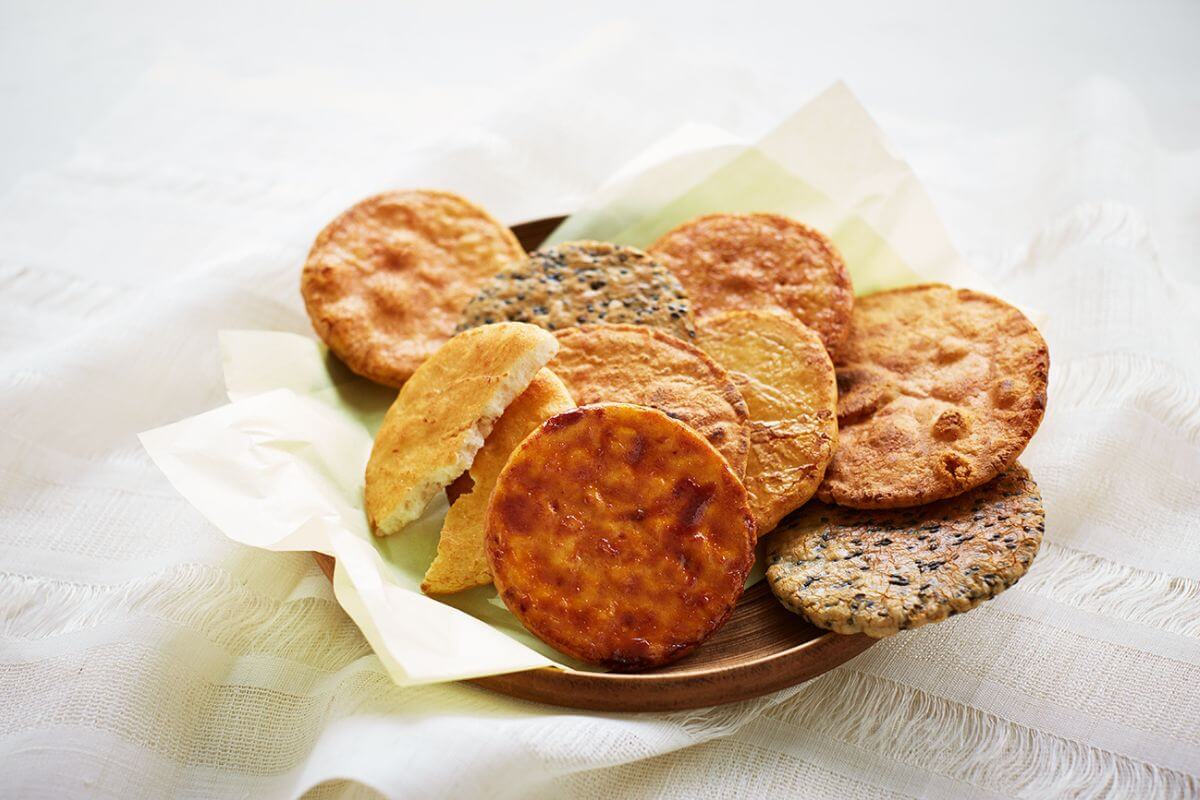
Soka Senbei
Soka is so famous for Senbei (Rice crackers) that they come to mind immediately when you think of Soka City, representing its signature souvenir.
This historic food traces its roots to the Edo period when Soka flourished as a post town along the Nikko Kaido Road. Legend says a woman named “Osen-san” flattened and roasted rice dumplings, creating the origin of these crackers.
Even today, it’s made using traditional methods with 100% japonica rice. Its appeal lies in its crispy, satisfying crunch and savory soy sauce flavor. Just as it was once cherished as a preserved food for travelers, its long shelf life makes it an ideal souvenir.
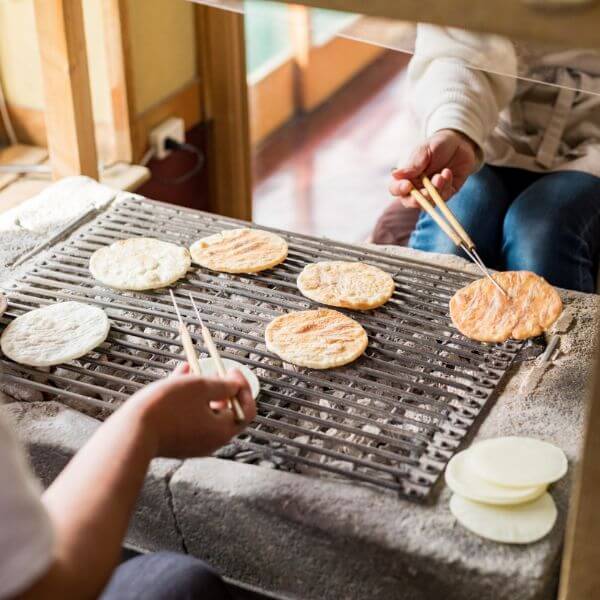
Hand-Baked Soka Senbei Experience
The city also boasts numerous Senbei shops, with around 40 stores currently operating. Even for soy sauce-flavored crackers, the seasoning and hardness vary by shop, so be sure to try comparing them. We also recommend trying your hand at making them yourself.
Leather goods
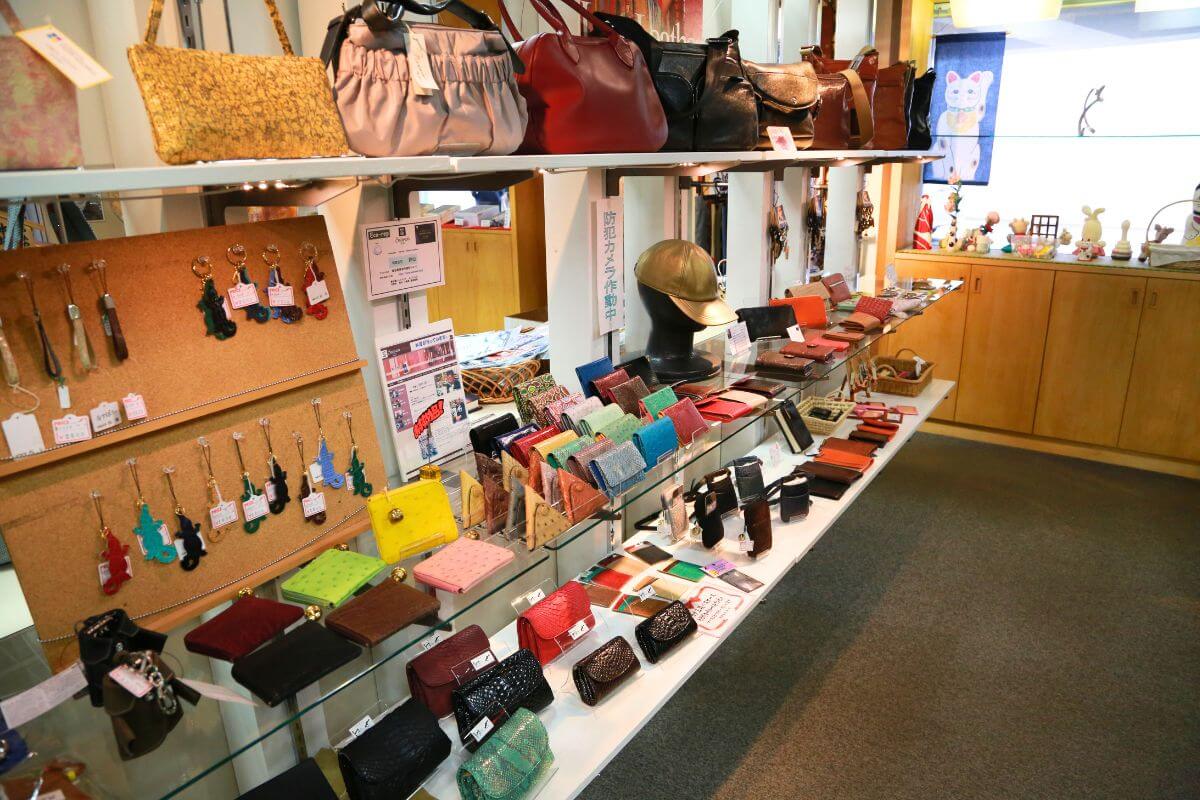
Leather goods made in Soka City
The leather industry represents Soka city, Saitama Prefecture a city renowned for manufacturing. For approximately 100 years, a wide range of products—including shoes, bags, clothing, and school backpacks—have been crafted in Soka city. In 2024, it was selected as one of Japan’s four major leather production areas, with its high-quality leather goods earning high praise both domestically and internationally.
Its defining feature is the diverse range of animal hides processed—including cow, pig, sheep, deer, shark, and reptile—with the entire production process, from raw materials to finished goods, completed entirely within Soka City.
At the city’s retail shop, “Traditional Industries Exhibition Room Parisse,” you can find all kinds of leather goods: bags, pouches, wallets, accessories, key chains, and more.
Pari-Pori-kun Goods
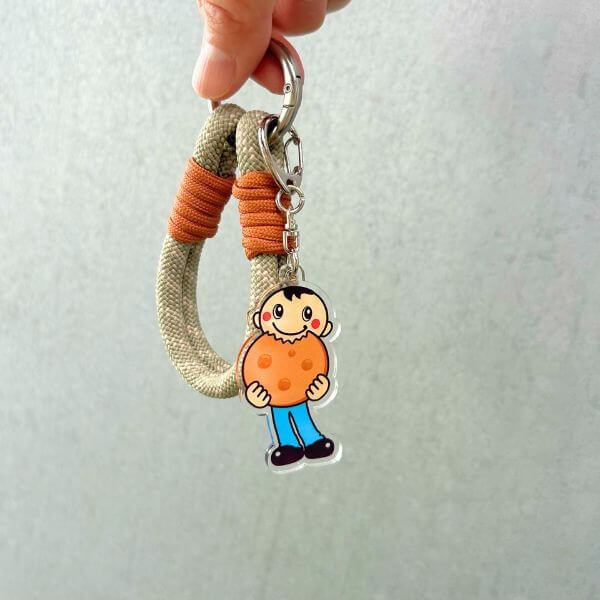
Soka City Mascot Character : Pari-Pori-kun Goods
Soka City has its own mascot character, Pari-Pori-kun, based on Soka senbei (rice crackers)! He’s an adorable 5-year-old boy holding large Soka senbei in both hands. Pari-Pori-kun goods like acrylic keychains and plush toys make perfect souvenirs. Why not take a trip with this charming mascot character?
Recommended Souvenirs Shops
If you’re looking to buy souvenirs in Soka City, we recommend the following shops. Be sure to stop by!
Traditional Industries Exhibition Room Parisse
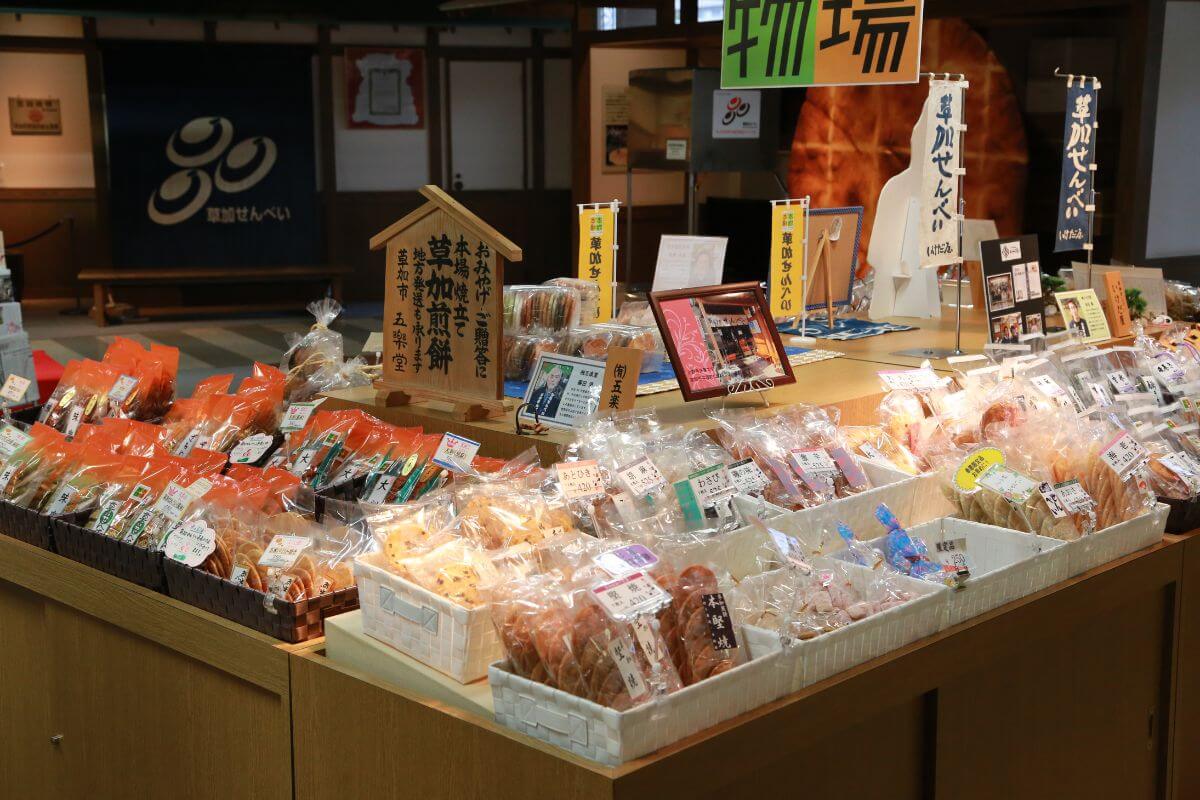
Traditional Industries Exhibition Room Parisse, Shop
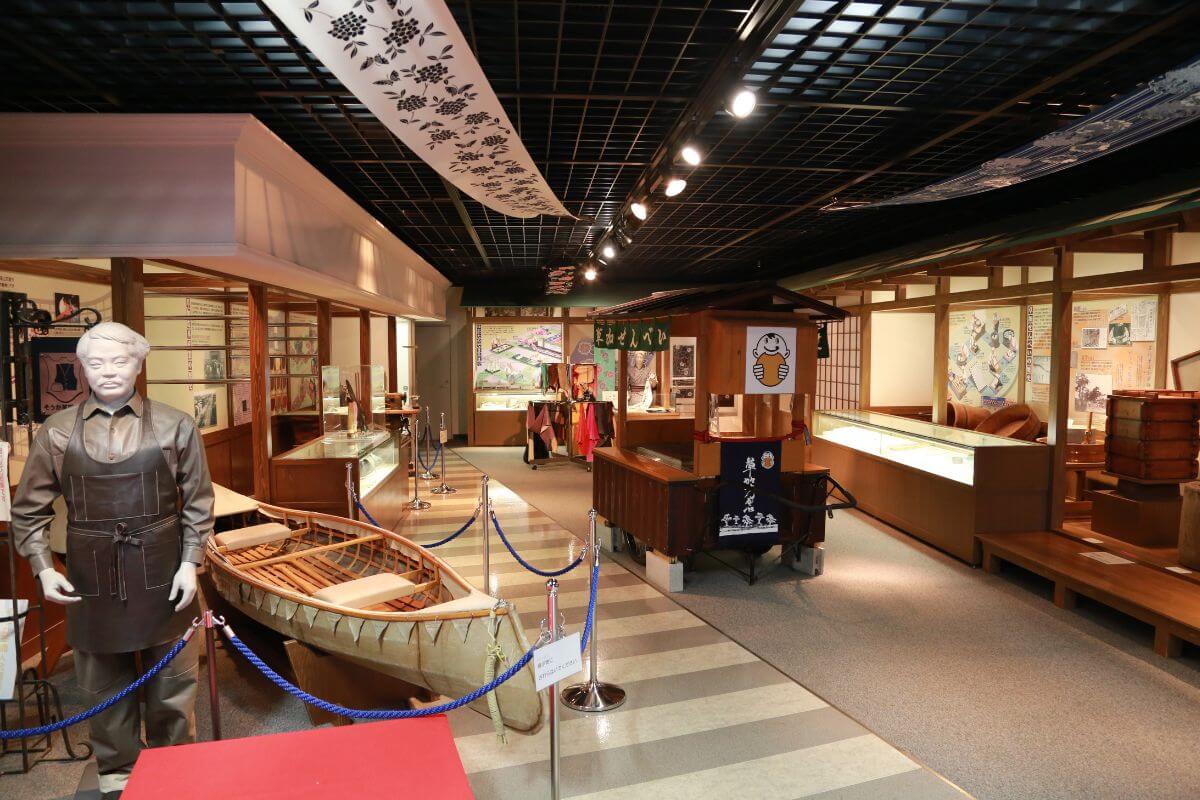
Traditional Industries Exhibition Room Parisse, Exhibition Introduction
This antenna shop is located within the Soka City Cultural Center, just like the Zensoan introduced in the recommended sightseeing spots.
Inside the building, you can purchase Senbei, leather goods, and merchandise featuring Soka City‘s tourism ambassador, Pari-Pori-kun. It also features exhibits introducing Soka’s three major local industries: Senbei, leather, and yukata.
Hours: 10:00 AM – 5:00 PM
Closed: First Wednesday of every month, year-end/New Year holidays, twice-yearly temporary closures, and other occasions
Admission: Free
Imayo Honjin: Soka Village River Station
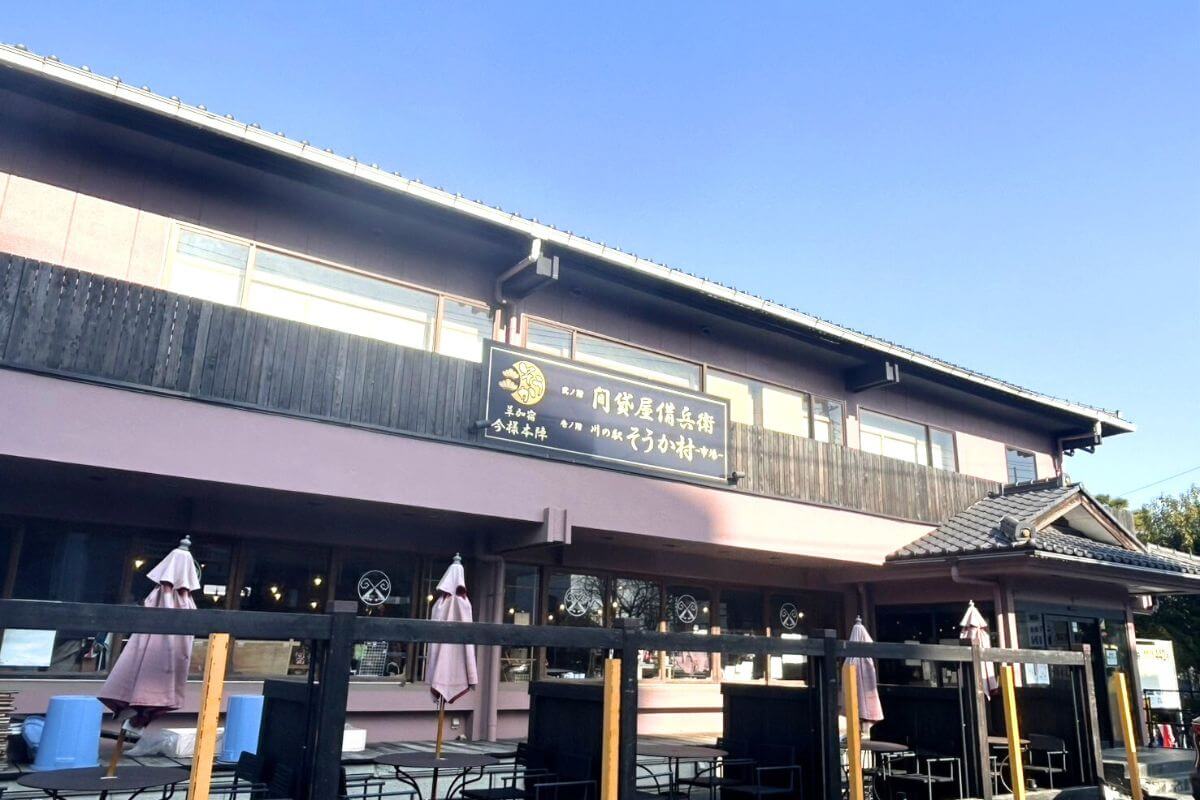
Imayo Honjin: Soka Village River Station
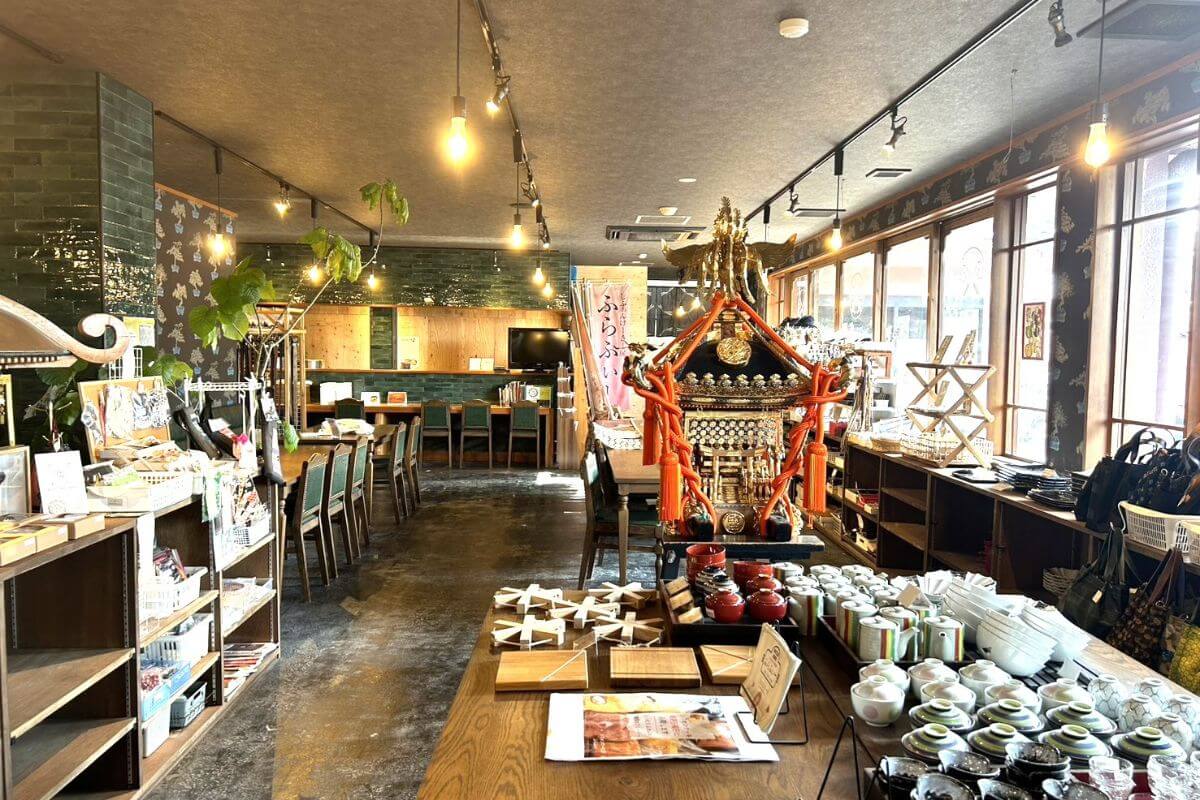
Imayo Honjin: Soka Village River Station, Souvenir Sales
This shop at Imayou Honjin was created as a place for Soka citizens to relax and for travelers visiting Soka to enjoy the city. It sells a variety of items, including freshly harvested local vegetables from Soka, specialty products, and Paris-Pori-kun goods. They also sell the “Goshukuba Stamp” from Soka-shuku on the Nikko Kaido, so why not pick one up as a souvenir of your journey?
Business Hours: 11:00 AM to 4:00 PM
Closed: Year-end and New Year holidays
Basho-an
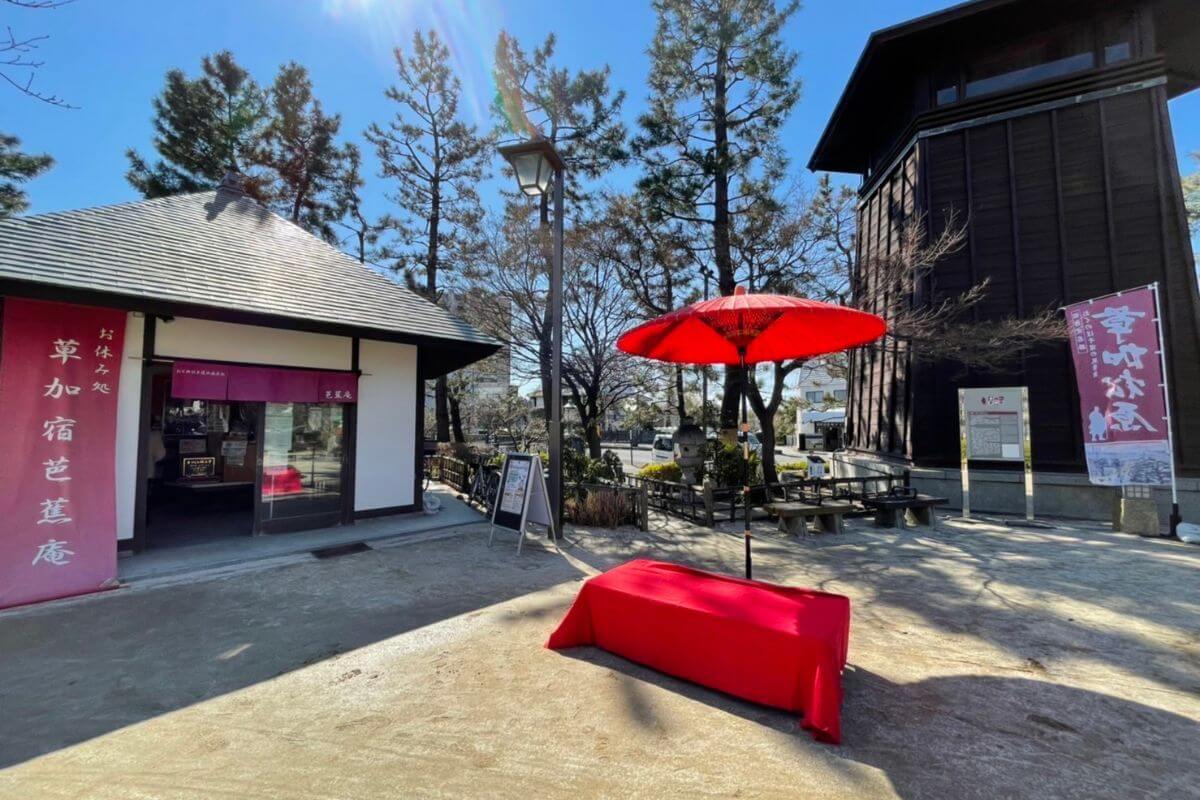
Tourist Information Center and Souvenir Shop “Basho-an”
This tourist information center and souvenir shop is located in Soka Matsubara. In addition to local Soka products, it also sells specialty items from its sister city, Showa Village in Fukushima Prefecture. Various events are held here, such as yukata dressing and rental during summer, and New Year hospitality (including amazake distribution) during the New Year season.
Opening Hours: 10:30 AM to 4:00 PM
Closed: Mondays (if Monday is a holiday, closed the following day), Year-end and New Year holidays
Recommended Gourmet Spots in Soka City
Soka Senbei Gourmet Variation: Yamato-ya “Shirokuma”
Soka Senbei, introduced as a recommended souvenir from Soka City. You can also enjoy creative dishes featuring Soka Senbei at restaurants throughout the city.
This time, we’ll introduce the popular “Shirokuma” menu item offered seasonally at the shaved ice specialty shop “Yamato-ya.” The ears are actually made from Soka Senbei!
この投稿をInstagramで見る
This delightful treat features a nose made of vanilla ice cream perched atop fluffy shaved ice, creating a charming, three-dimensional shape. Inside, you’ll find generous amounts of fruit and strawberry sauce for a luxurious taste experience.
The crispy texture and sweet-salty flavor of Soka senbei crackers, the smooth melt-in-your-mouth shaved ice, and the sweetness of the fruit combine perfectly.
Why not cool off with “Shirokuma” during the hot summer months?
Ramen
Soka City is a hotspot for ramen, boasting many popular shops with long lines and establishments open late into the night. Numerous ramen shops are concentrated around Soka Station. Its appeal lies in offering a variety of ramen genres, including Toripaitan(Creamy chicken paitan broth soup), Shoyu (soy sauce), and Iekei-style.
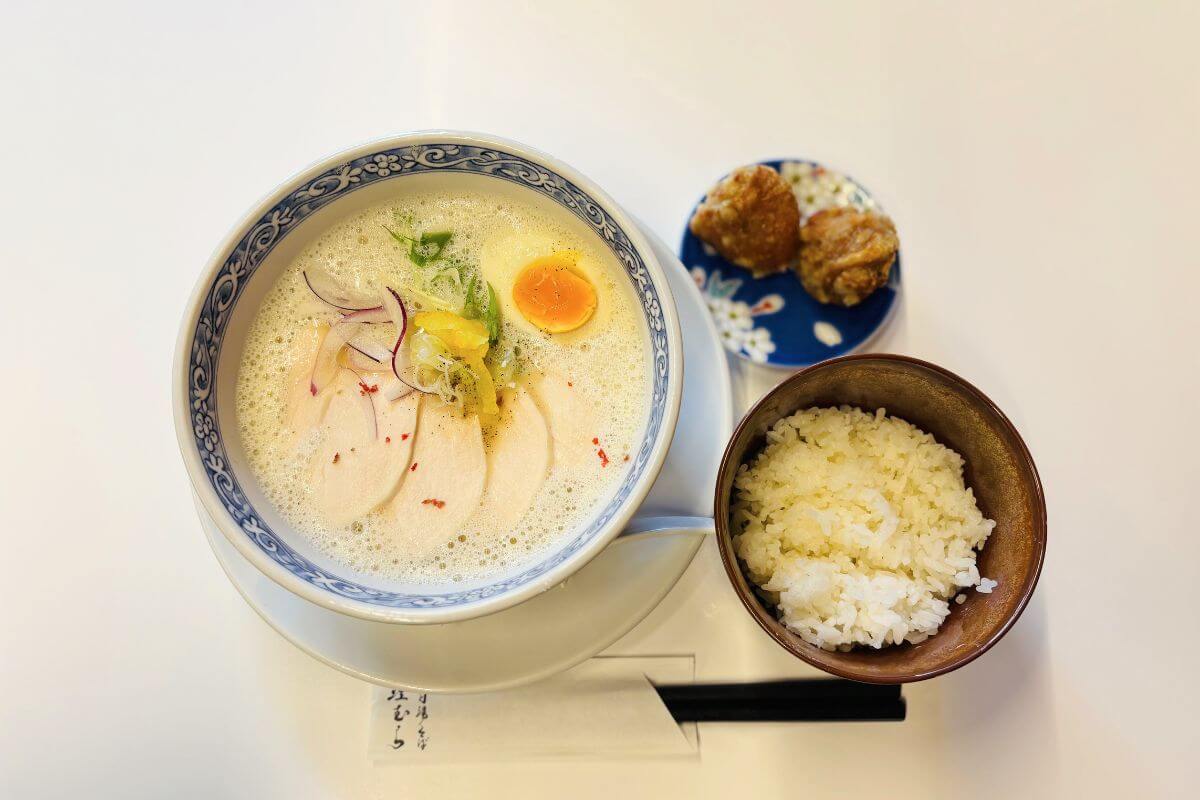
Tori Paitan Soba Emura
For example, at “Tori Paitan Soba Emura,” they serve what could be called a new staple of Japanese ramen: “Foamy Chicken Paitan Ramen.” This exquisite ramen features a creamy soup made by blending chicken paitan broth—rich with concentrated chicken flavor—into a frothy foam that clings perfectly to the chewy, medium-thick noodles.
Tips for enjoying Soka City even more
Walking around town in a yukata in summer
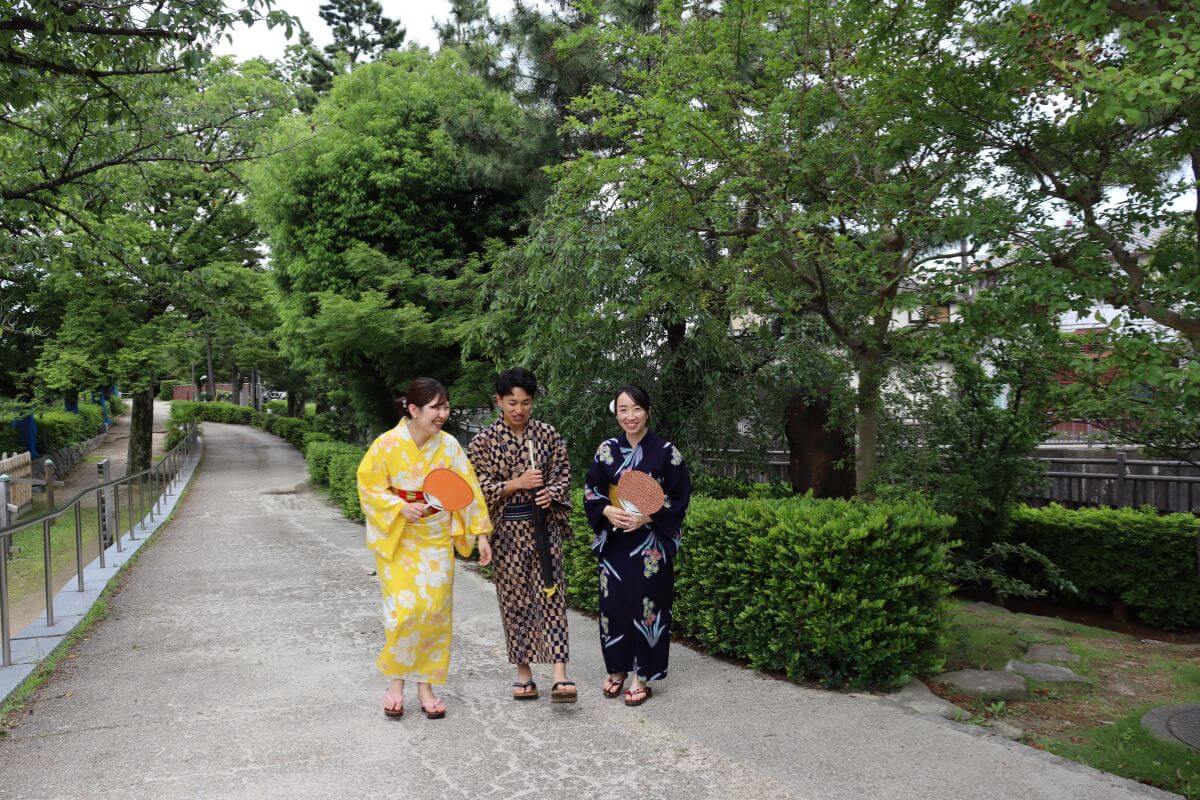
Stroll through Soka Matsubara in a yukata
Recommended information for those who want to enjoy Soka City, where traditional Japanese scenery remains, even more!
Bashoan, introduced in the souvenir shop section, offers yukata rentals only during the summer (July to mid-September).
The rental package includes dressing, geta sandals, and bag rentals, so you can participate empty-handed! Why not put on a yukata, a traditional Japanese garment and a Soka City specialty, and enjoy a stroll through the Soka Pine Grove, taking commemorative photos, and enjoying a traditional Japanese experience?
*Please apply to the Soka Inn Bashoan Management Council by phone, fax, or email at least four days in advance.
▼For more details, please check here
https://www.city.soka.saitama.jp/kohosoka/r06/24070199/13/03.html
Relax and enjoy Japanese culture in Soka City, Saitama Prefecture
Soka City is a city where traditional culture lives on and retains vestiges of the Edo period. Less than an hour from Tokyo, it’s the perfect area for day trips and slow travel. Why not take a stroll through the pine trees of Soka Matsubara, sample some Soka rice crackers as you walk, and spend some relaxing time away from your daily routine?
If you’d like to know more about Soka City, check out the Soka City website or the Soka City Tourism Association’s social media accounts.
▶︎Soka City Website
▶︎Soka City Tourism Association Instagram
▶︎Soka City Tourism Association Facebook